
The Shape Of Now
An Honest Assessment of the State of the Present
Editorial
Pietro Casella
Music

ICONYC Magazine
The Boy from Italy
Music
Three years later, the electronic music world is still working out how he did it.
He was twenty-seven years old, largely unknown outside the rooms that matter, and about to reshape the sound of an entire scene. Three years later, the electronic music world is still working out how he did it.
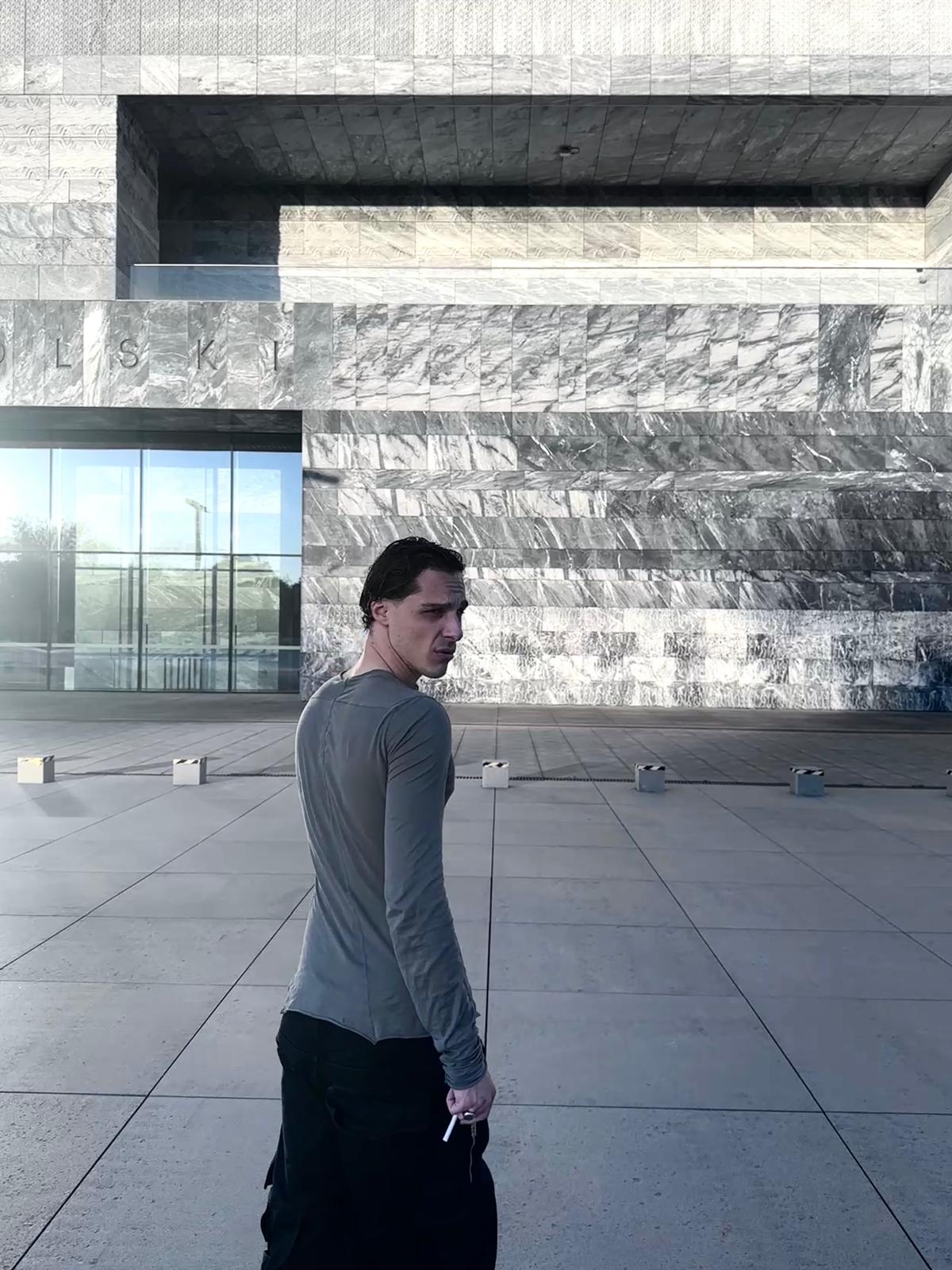
There is a particular kind of trust that cannot be counterfeited, and it is not the kind that comes with a title or a job description. It is the kind that is extended person to person, quietly, and with the full understanding of what is being handed over. When ICONYC chose Pietro Casella to lead its music division, the label was not simply filling a role. It was making a statement about what it believed music could become, and it was making it in the form of a twenty-seven-year-old Italian with an ear that borders on the supernatural and a vision for electronic music that, it has since become abundantly clear, was several years ahead of where the scene itself was heading.
ICONYC Magazine
Music
T
That was nearly three years ago. The story of what has happened since is one of the more compelling chapters in recent electronic music history, though you would be forgiven for not having read it anywhere, because Pietro Casella is not the kind of person who writes his own story in press releases or positions himself carefully in the foreground of the frame. He is, like so much of what ICONYC produces, something you discover rather than something you are sold. And once you discover him, the quality of what he has built tends to do the rest of the talking.
Pietro came to ICONYC the way that the best people tend to come to the best opportunities: not through the conventional channels, not by campaigning for the position, but through a combination of genuine talent, an obsessive relationship with music, and the kind of reputation that travels quietly but travels far. Those who knew his work knew it with a fervor that is the most reliable indicator of real ability. He was not someone who made a lot of noise. He was someone whose taste was so consistently, almost unnervingly accurate that the noise was made on his behalf, by the people whose opinion mattered most.
The label, at that point, found itself in a position that is more common in music than anyone in the industry likes to admit: releasing good music without a clear sense of where it was going. The releases were competent, occasionally impressive, but they existed in a kind of cultural vacuum, disconnected from the conversations that young audiences were actually having, from the movements forming at the edges of the scene, from the energy that defines what electronic music means to the generation now driving it forward. There was craft without direction, quality without context, and no discernible thread pulling it toward anything that felt genuinely urgent or alive. It was the particular stagnation of a label that had not failed so much as it had simply stopped evolving, and in a culture that moves as quickly and as ruthlessly as electronic music does, standing still and falling behind are, in the end, the same thing.
To understand what Pietro has done at ICONYC, it helps to understand what the music division was, and what it is now. Electronic music, for all its vitality and cultural energy, has a persistent problem: the sheer volume of it. The machinery of production has become so accessible and so efficient that the market is, to put it charitably, well supplied. Finding the signal in that noise requires not just good ears but a philosophical commitment to saying no, repeatedly and without apology, to things that are good enough in favor of holding out for things that are genuinely extraordinary. This is, in practice, an uncomfortable position to maintain. The pressure to release, to fill a schedule, to demonstrate activity and momentum, is real and relentless. Most labels, even the ones with the best intentions, eventually negotiate with it. They soften their standards at the margins, convincing themselves that the compromises are small ones, which they always are, right up until they are not.
Pietro Casella, from the moment he took the helm, made clear that ICONYC music was not going to have that conversation. The curation he implemented was, and remains, intense in the most honest sense of the word: driven not by a desire to appear selective but by a genuine, almost visceral unwillingness to release music that did not meet the standard he had set for himself and for the label. Artists who have worked with him speak about the experience with a mixture of admiration and barely disguised awe. He listens differently than other people listen. He hears the thing inside the thing, the potential beneath the surface, and he is just as capable of identifying the precise moment where a track falls short of its own ambition as he is of recognizing when something is quietly, undeniably right. Working with him, more than one artist has noted, has the effect of raising your own standards, because he holds them so clearly and so consistently that the baseline for what counts as finished simply shifts.
The results of that approach are written across the label's catalogue with a clarity that rewards attention. What ICONYC music has produced under Pietro's direction is not a large body of work. It is a precise one. Every release has been considered with the kind of seriousness that most labels reserve for their flagship moments, because at ICONYC, under Pietro's stewardship, there are no throwaway moments. There are no filler releases, no contractual obligations dressed up as artistic statements, no hedged bets. What goes out carries the full weight of his conviction behind it, and the listener, even one who has never heard the ICONYC name before, can feel that weight in the music itself. There is a coherence to the catalogue that is rare in electronic music, a sense that each release belongs to a larger world that someone has taken the time and care to actually build.
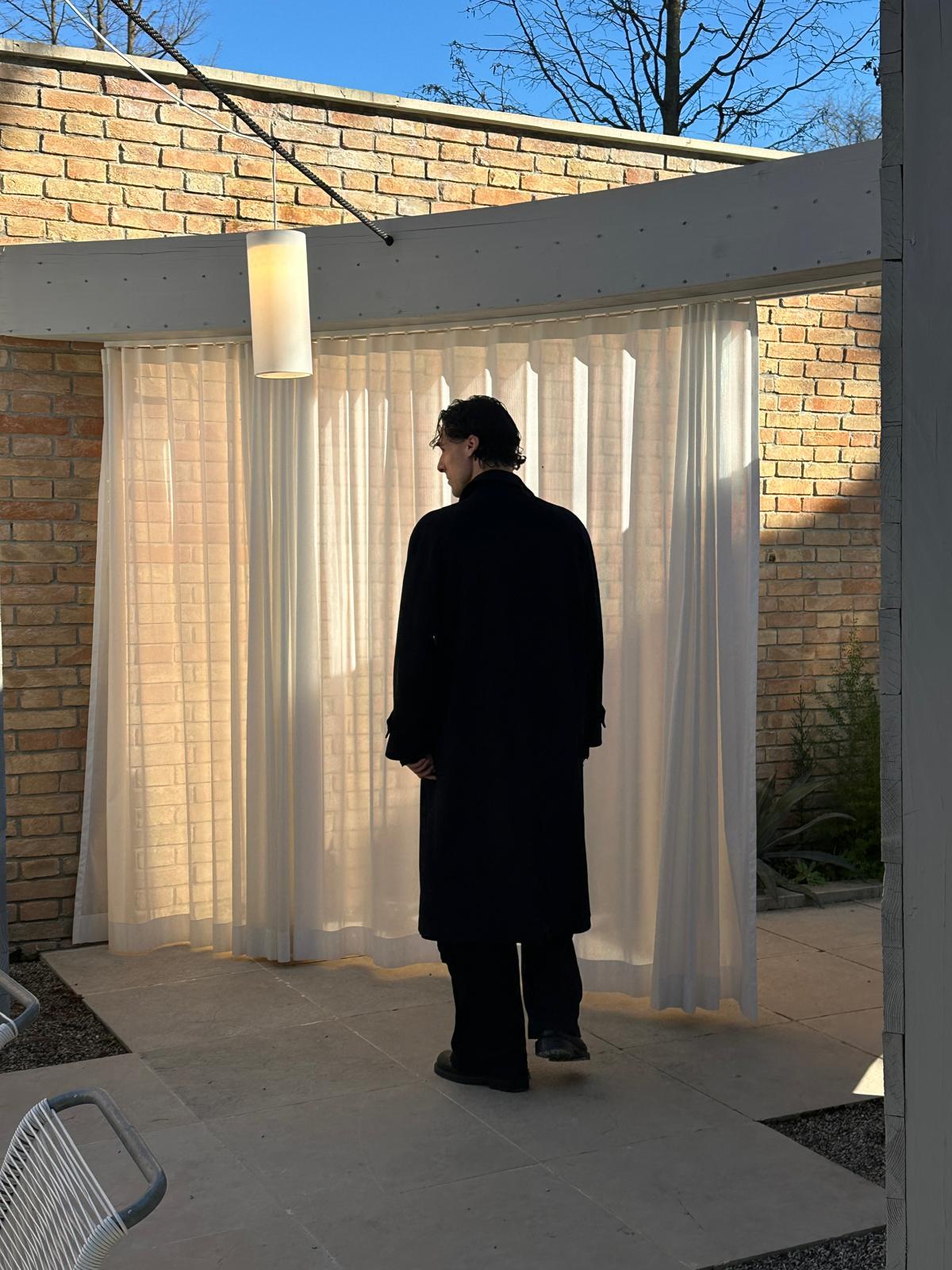
That world has become, over the course of these three years, something that the electronic music scene has begun to orbit with increasing intent. The label has not chased cultural relevance. It has, in the way that only genuinely good things can, become a focal point by refusing to behave like one. DJs who carry ICONYC releases in their sets do so not because it is the fashionable thing to do but because the music is simply too good to leave behind. The label's name, spoken in the right rooms, carries a weight that is entirely out of proportion to the number of releases it has made, which is precisely the point. Scarcity, when it is the product of genuine commitment rather than artificial restriction, creates a kind of gravity. People are drawn toward it. They want to understand it.
They want to be part of it.
And part of what they are being drawn toward is Pietro himself, or more precisely, the sensibility he brings to the work. He is, by all accounts, someone who wears his passion lightly and his knowledge deeply, which is an unusual and rather beautiful combination. He does not perform expertise. He simply has it, in that unassuming way that reveals itself gradually, through the quality of the questions he asks and the precision of the observations he makes. Spend time with him talking about music and you come away feeling as though you have understood something about it that you had not quite managed to articulate before. He has the gift that the best curators share: the ability to make you hear things differently, not because he is telling you what to think but because his own way of listening is genuinely infectious.
There is something worth noting about the particular bravery required to do what Pietro has done at the age he has done it. Twenty-seven is young by any standard, and the music industry has a long and not entirely glorious history of treating youth as either an asset to be exploited or an obstacle to be managed.
To be handed real creative authority at that age, over a division of a label whose entire identity is built on uncompromising standards, and to respond not with the caution that insecurity might have produced but with the clarity and conviction that Pietro has demonstrated, is the kind of thing that does not come from a course or a mentorship program. It comes from somewhere more fundamental. It comes from actually caring, more than is strictly comfortable, about getting it right.
What has emerged over these three years is something that organizations spend considerable time trying to engineer and rarely manage to produce: a genuine alignment between a person and a purpose, one that does not require constant renegotiation because the underlying commitment runs deep enough to be self-sustaining. The label does not need to be reminded of what it stands for. Pietro is the living embodiment of what it stands for, and the music he has shepherded into the world is the evidence.
Where ICONYC music goes from here is, of course, the question. The honest answer is that with Pietro Casella at its center, it will go wherever the best music leads, at whatever pace the music demands, with whatever degree of patience the pursuit of genuine quality requires. It will not hurry. It will not dilute. It will not make the small compromises that are always available and always tempting and always, in the long run, corrosive. It will continue to operate by the same principles that have shaped everything the ICONYC name has ever touched: that the only standard worth setting is the highest one, that the only pace worth keeping is the one the work itself sets, and that the people who matter will find their way to you, provided what you have made is genuinely worth finding.
Pietro Casella, three years in and still burning with the kind of enthusiasm that most people lose somewhere between their first success and their second, seems to understand this not as a constraint but as a freedom. The freedom to make something real. The freedom to say no to everything that falls short. The freedom to build, slowly and without compromise, a body of work that will still be worth listening to long after the trends that surrounded it have moved on.
In a music industry that often mistakes momentum for meaning, that is not a small thing. It is, in fact, everything.


Your cart is empty