The Kingmaker Will See You Now
At 27, he took the keys and changed the locks.
Editorial
The Designer Who Never Designed Alone
Fashion
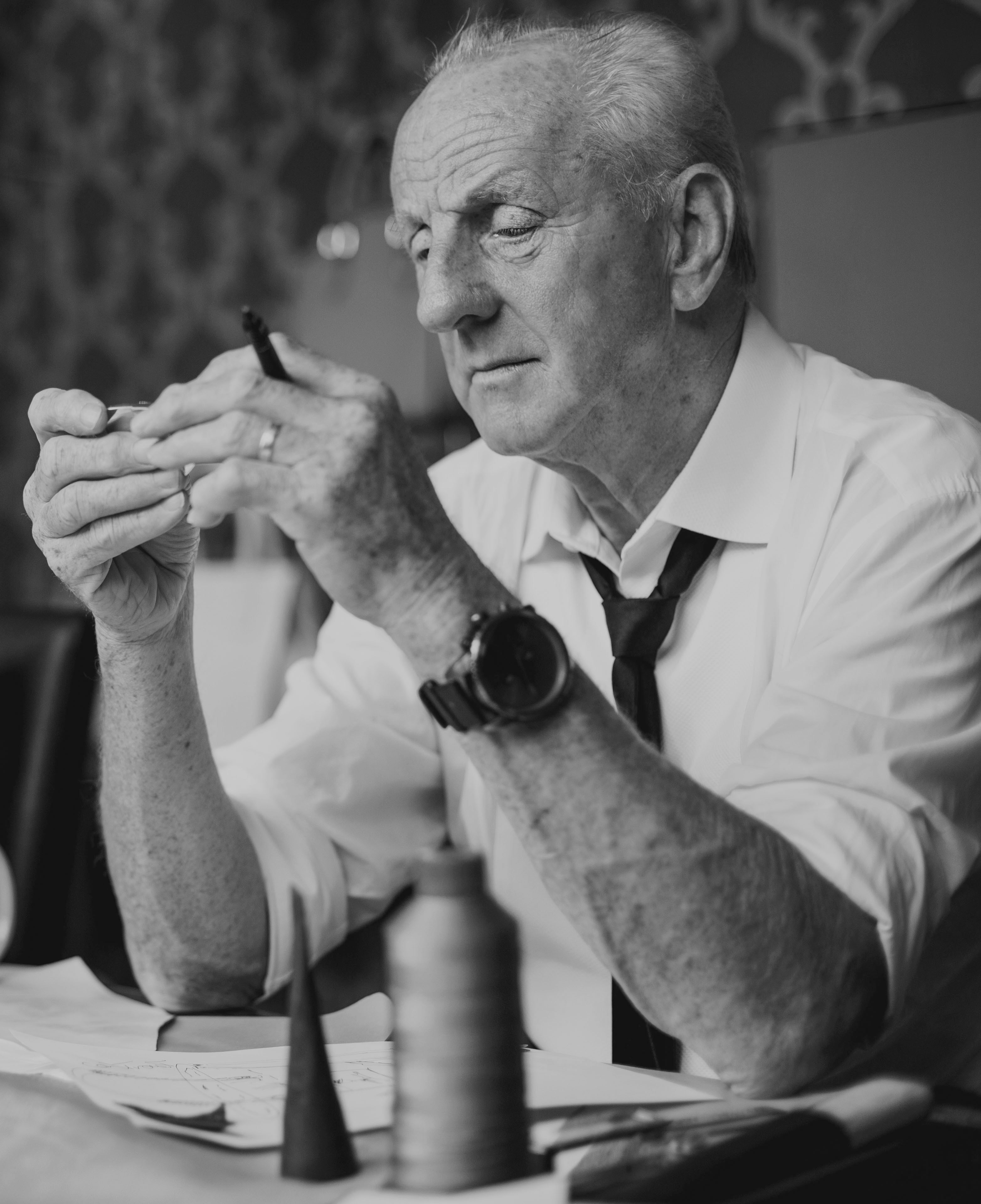
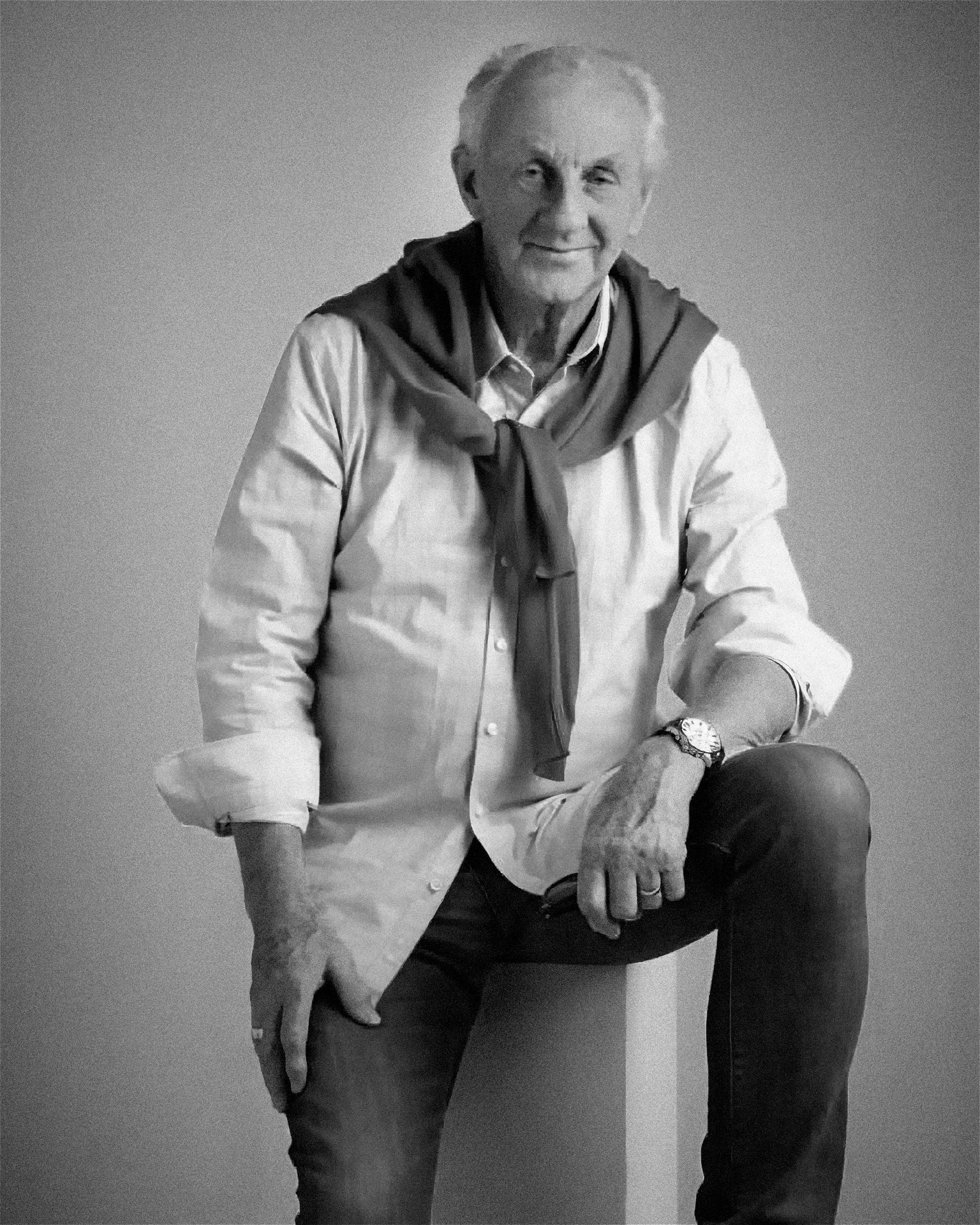
By Costelloe1979 - Own work, CC BY-SA 4.0
ICONYC Magazine
The Designer Who
Never Designed Alone
Fashion
The Designer Who Never Designed Alone
In the arc of modern fashion, Paul Costelloe occupies a rare and enviable place: a designer who has continually reimagined what elegance can look like in the present. For more than half a century, Costelloe has moved with a rare kind of instinct, fusing tradition and reinvention and shaping silhouettes that nod to couture craft while embracing the cadence of contemporary life.
H
His longevity is built not only on invention but temperament. Costelloe is technically fearless - fusing sculpted tailoring and volume in a blend of wearable finishes. He has long been known for championing young pattern-cutters and emerging artisans, nurturing talent with the same easy generosity that animates his studio. From his early apprenticeships in Paris and Milan to dressing royalty and reshaping London’s fashion landscape in the 1980s and ’90s, his career has been steered not by ego but by a belief that fashion is, at its heart, a collaborative craft.
His relationship with Diana, Princess of Wales, remains one of the defining creative partnerships of late-20th-century British fashion. Their connection began in the early 1980s, at a moment when Diana’s public image was still taking shape and the fashion industry was rapidly shifting toward a new kind of modern femininity. Costelloe, then a rising designer known for his precision tailoring and subtly romantic silhouettes, quickly became one of the Princess’s most trusted dressmakers. Unlike many designers who dressed her for grandeur, Costelloe understood how to balance royalty with relatability - a tone Diana constantly sought to strike as she stepped into the global spotlight.
Costelloe created numerous pieces for her, including the elegantly structured, pastel-toned suits and coatdresses that became synonymous with Diana’s early style. His work offered her a softened formality: sharp enough for state occasions, gentle enough to disarm. She wore his designs on official visits, hospital openings, charity engagements, and candid off-duty moments, each appearance reinforcing the bond between designer and muse. Their relationship was not merely transactional - Costelloe often spoke about Diana with a kind of paternal warmth, recalling fittings that felt more like conversations than royal appointments. She trusted him. He, in turn, understood her instinctively.
My first memory of the master was at London Fashion Week in September 2008. Costelloe was opening the proceedings, as editors, stylists, journalists and celebrity friends queued outside the National History Museum in their hordes. When we were all promptly seated for the 9.30 show, models sashayed in sharp, military coats with signature crisp shoulders and structured daywear transitioning to ethereal evening looks marched down the runway, followed by a sweep of bright pinks and sharp yellows that felt almost defiant against the grey London light outside. If anyone can capture the old-school spirit, it was Paul and, from then on, I knew I would be hooked on the glamour.
The rest of the day continued with Caroline Charles, Ossie Clark and PPQ, whose designers famously shrugged when asked to define their aesthetic: “It’s like trying to describe what the word ‘cool’ means.” But Costelloe’s vocabulary didn’t need decoding. It was already there in the tailoring, the gesture, the confidence of starting London Fashion Week with something disciplined and confident.
Costelloe belongs to a generation that quietly redrew the boundaries of British fashion, ushering in a new vanguard long before the term became a marketing catchphrase; he modernised heritage fabrics, energised classic silhouettes and brought a playful aspect to womenswear that helped define the mood of a changing Britain. His shows - dynamic and often mischievous became fixtures of the week, reminders that craftsmanship can be both serious and joyful.
Never believing in working alone, he understood that true legacy is built through shared endeavour, whether with a manufacturer in Dungannon, a ceramicist in Stoke-on-Trent or, most poignantly, the next generation sitting across the studio table. In 2010, when An Post placed his portrait alongside John Rocha, Philip Treacy, Orla Kiely, Louise Kennedy and Lainey Keogh on a set of commemorative stamps, the gesture was less about individual stardom than collective triumph.
Six very different voices had, over three decades, taken Irish linen, tweed and quiet self-confidence and turned them into a global vernacular of elegance. The stamps were not co-designed, yet they remain one of the most eloquent collaborations in modern Irish culture: a philatelic reminder that a nation’s style can travel farther on six stamps than on any single catwalk.
At home the collaboration was literal. From the early 2010s William Costelloe, the eldest of Paul’s seven children, quietly assumed the role of brand design director. Where Paul’s hand had always been guided by tailoring and silhouette, William brought a graphic eye, fresh florals, re-engineered polka dots and playful abstractions that felt contemporary without ever betraying the house codes. Father and son would argue over scale and saturation, then land on something that looked effortless, the way the best family businesses do. It was never billed as a “capsule” or a “takeover”; it was simply the natural hand-off inside a label that had always treated creativity as inheritance rather than invention.
Beyond the studio walls, Costelloe extended the same generous spirit to unlikely partners. Wedgwood plates carried his restrained botanical motifs; Lloyd Baker bags translated his structured jackets into butter-soft leather; Ventura Design turned his eye for proportion into furniture that felt quietly aristocratic. Corporate uniforms for British Airways and the Irish Olympic Team proved that good tailoring could survive the indignities of airport lounges and podiums alike. And then there was the two-decade dance with Dunnes Stores, perhaps the most democratic collaboration of all: Irish linen dresses and cashmere coats sold beside the milk and bread, letting thousands of women own a slice of Costelloe romance for the price of a weekly shop.
Instagram | @paulcostelloeofficial
Fashion Week (September 2025) in his preferred venue - the opulent Palm Court of The Waldorf Hilton. In retrospect, this was a jubilant, technicolour finale to his illustrious 41-year tenure at LFW and an apt homage to the late-1960s glamour of Hollywood icon Sharon Tate, reimagining California's Rodeo Drive and Palm Springs vibe through Costelloe's lens of timeless femininity and playful precision- using a consistent happy colour palette of sherbet pastels: baby blue, lemon yellow, coral, and sherbet pink.
Coming just two months before his passing on November 21, 2025, at age 80, it encapsulated his enduring spirit: unapologetically joyful, defiantly colourful, and rooted in emotion over ephemera. As Costelloe himself noted post-show, it was designed to "project positive vibes," drawing on his partial American heritage to evoke a sun-drenched West Coast fantasy that's both nostalgic and refreshingly modern.
Now, as young designers search for more sustainable models of longevity, his legacy feels newly resonant. Costelloe’s career demonstrates that endurance comes from curiosity; that refinement can sit comfortably alongside wit; and that a designer’s greatest contribution may be the culture he builds around him - especially with the close and collaborative connection he had with his family, which will result in a long, well deserving legacy.
In the end, Paul Costelloe is more than an iconic designer. He is a custodian of technique, a mentor, a quietly radical figure who helped shape the modern British wardrobe without ever losing sight of fashion’s human core. His legacy is not only the clothes themselves, but the new vanguard he helped inspire.

Your cart is empty