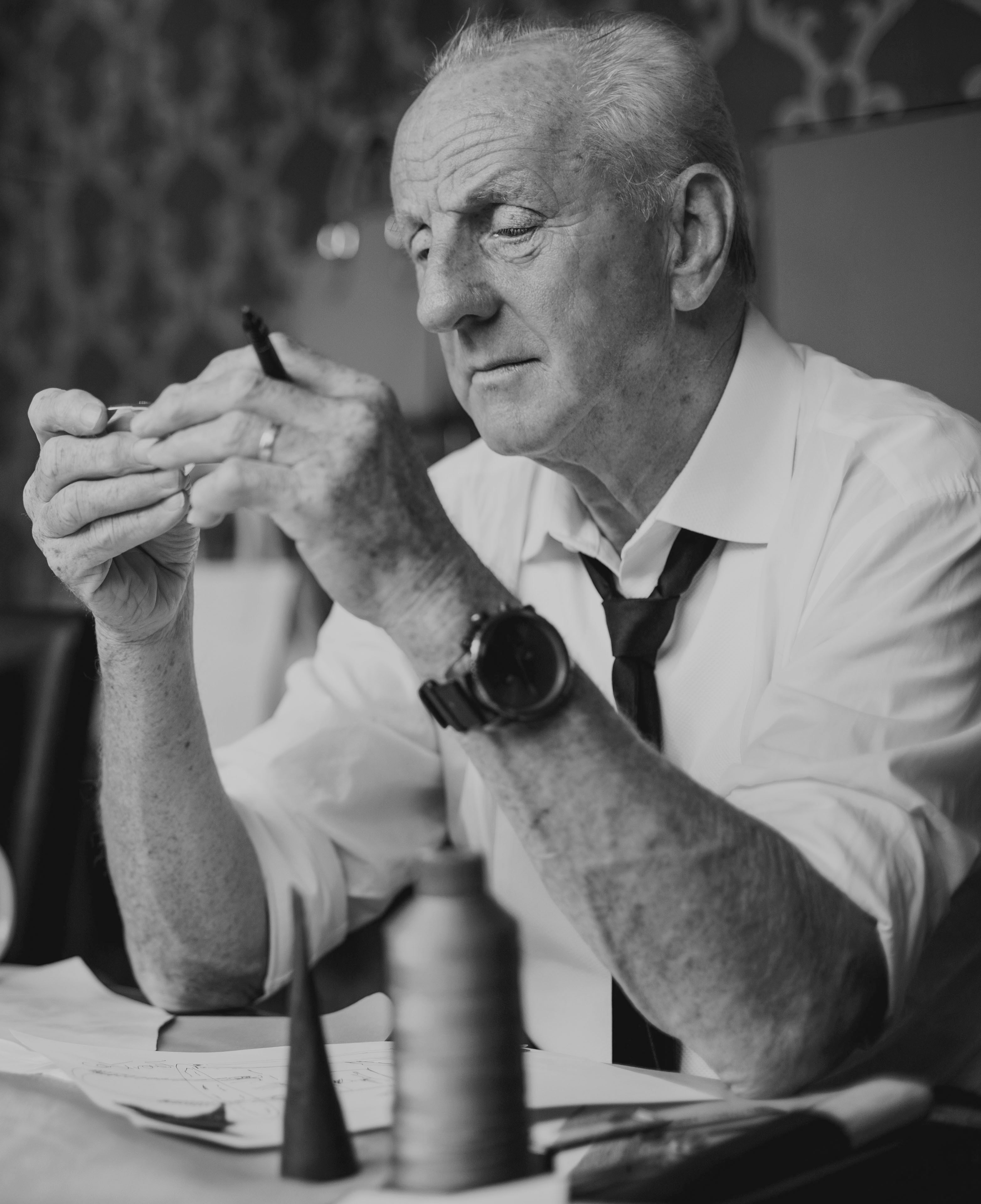
Paul Costelloe
The Designer Who Never Designed Alone
Article
8 Destinations
Travel
Article
8 Destinations
Travel
The places that will make everywhere else feel like an apology
No tourist menus. No comparison sites. No obvious choices. Just the places that people who have seen everything still talk about at dinner with a particular light behind their eyes.
There is a specific kind of travel melancholy that nobody warns you about before you board the plane. It sets in somewhere around your third day back home, usually while you are standing in a supermarket car park in the rain, holding a bag of groceries and staring at nothing in particular, when the full weight of where you have just been lands on you with the gentle devastation of a delayed train. You were there. Now you are here. And here, however perfectly adequate, is not there.
VALLETTA, MALTA
Best visited: October to April
Most people, asked to name a European capital city of extraordinary beauty and almost criminal underappreciation, would not immediately say Malta. They would say Prague, or Lisbon, or perhaps Porto if they felt they were losing ground in the sophistication race. They would be wrong, and Valletta, which has been sitting in the middle of the Mediterranean for approximately five hundred years looking astonishing and waiting for the rest of the world to notice, would forgive them for it.
Built by the Knights of St John in the sixteenth century on a peninsula so small that the entire city is, technically, walkable in twenty minutes, Valletta is the kind of place that makes you feel the ground has more history per square meter than anywhere else you have ever stood. The baroque architecture is immaculate, the light in October turns everything the color of warm honey, and the Maltese, who have been living inside a UNESCO World Heritage Site for their entire lives and have therefore developed a pragmatic relationship with magnificence, will sell you an extraordinarily good pastizzi from a hole in the wall for less than a euro and think nothing more of it.
Go in autumn, when the summer crowds have evaporated and the air carries that particular Mediterranean warmth that feels like a last generous gift before the season turns. Book a room in one of the converted palazzo townhouses in the upper city. Walk to the Grand Harbour at dawn and stand there in silence for as long as it takes for your sense of scale to recalibrate. It will take a while. Good.
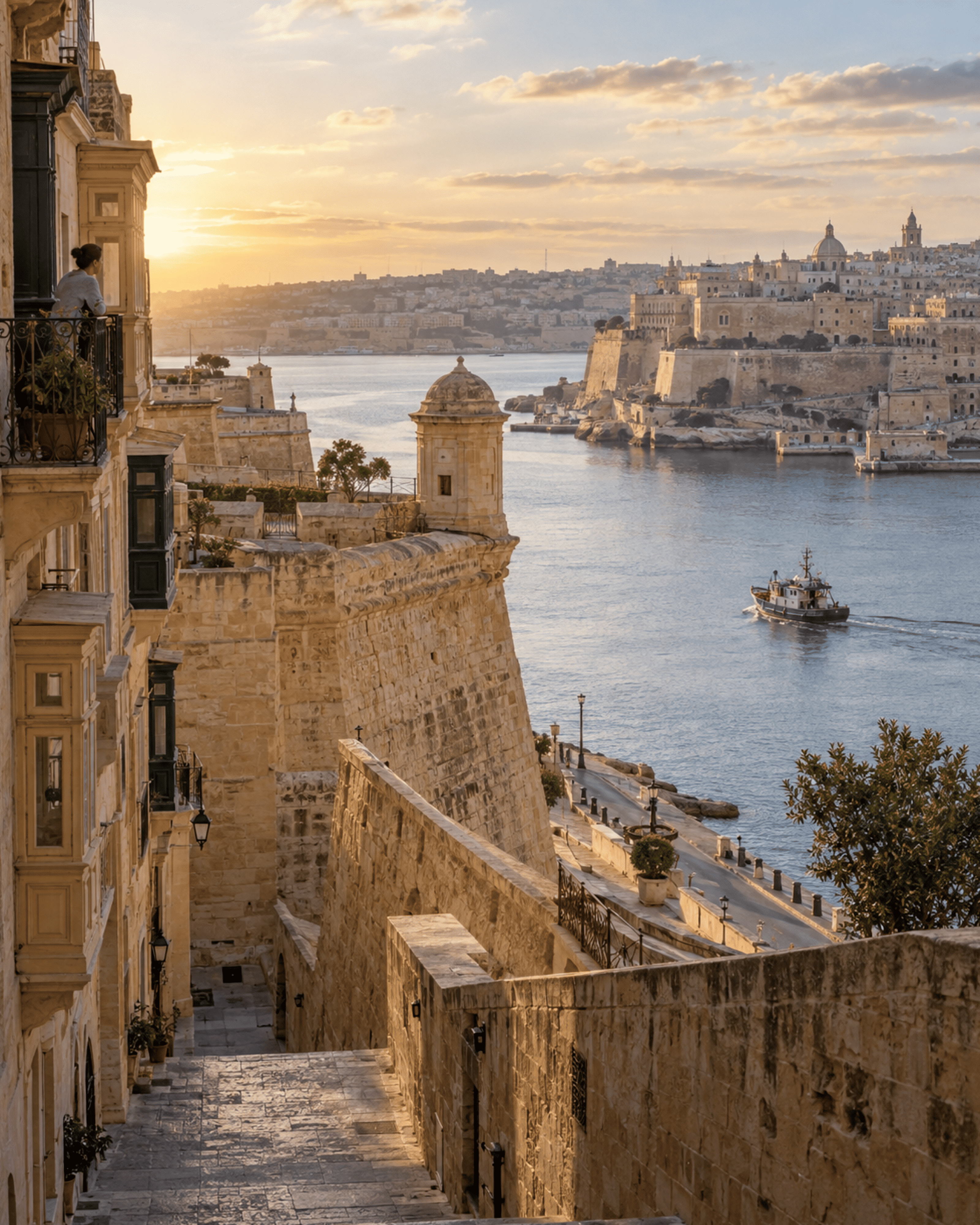
Valleta, Malta
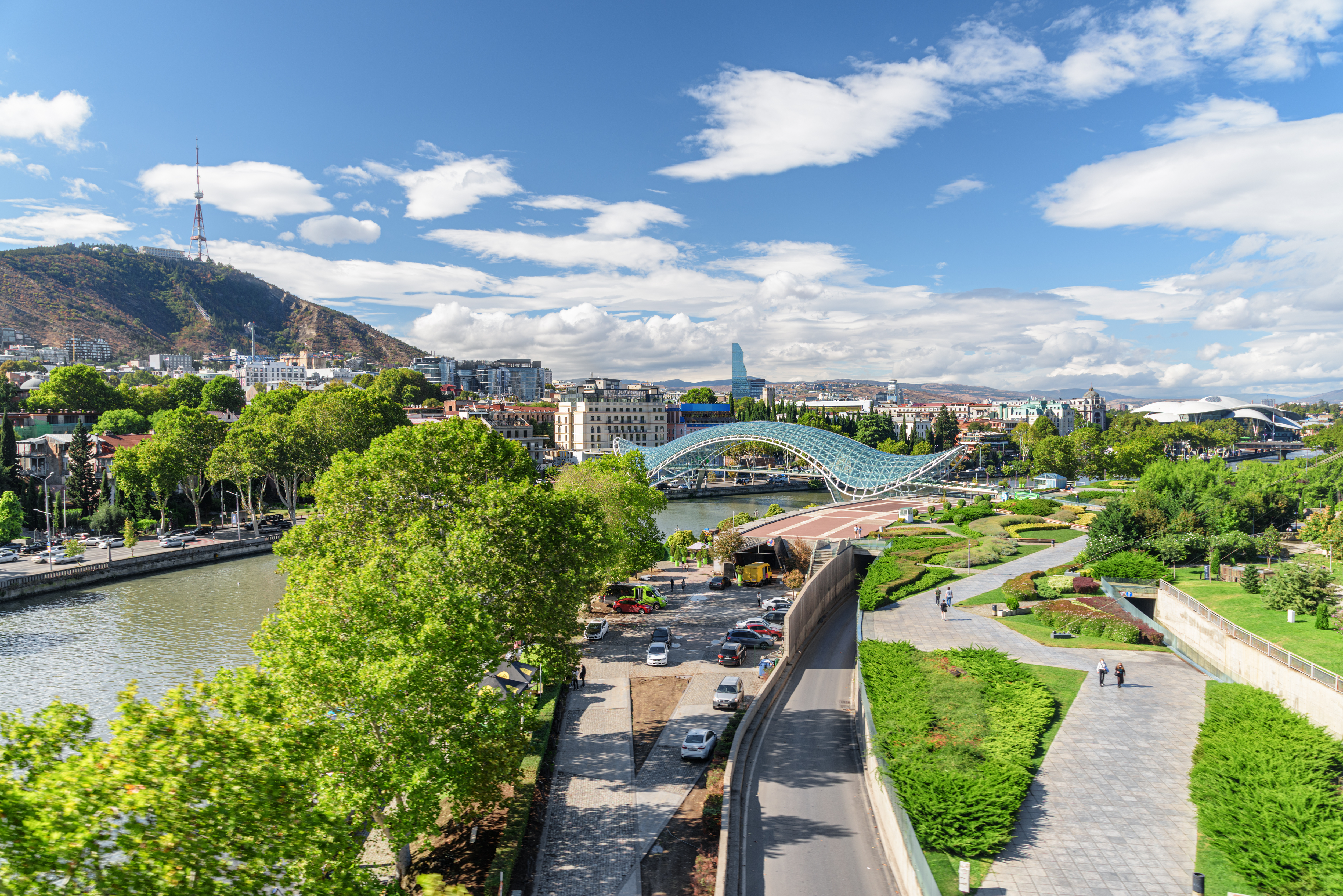
Awesome city view of Tbilisi, Georgia | efired
TBILISI, GEORGIA
Best visited: May or September to October
Georgia is having a moment, which is slightly irritating for those of us who were hoping to keep it quiet for a few more years, but the cat is sufficiently out of the bag that withholding the recommendation now would simply be churlish. Tbilisi, the capital, is one of those cities that operates as though time were a suggestion rather than a requirement.
The old town scrambles up a hillside above the Mtkvari River in a glorious tangle of carved wooden balconies, Byzantine churches, Persian bathhouses, and wine bars where the natural wine is served in clay vessels and the conversation, fueled by a Georgian hospitality tradition that makes other countries look positively standoffish, continues until a hour that polite society does not discuss.
The food alone justifies the journey. Georgian cuisine is one of the world's great underrated gastronomic traditions, and a meal of khinkali, those magnificent soup dumplings that require both a technique and a degree of personal commitment to eat correctly, followed by churchkhela, walnuts threaded on a string and dipped in grape must until they resemble something between a candle and a confection, is an education in what happens when a culture takes the feeding of guests extremely seriously for several thousand years running.
Come in May when the Caucasus is green and the roses are out, or in September when the grape harvest fills the air with something that smells of wine and autumn simultaneously. Do not come in August unless you enjoy being very warm in a very crowded place, which is a perfectly legitimate preference but a different article entirely.
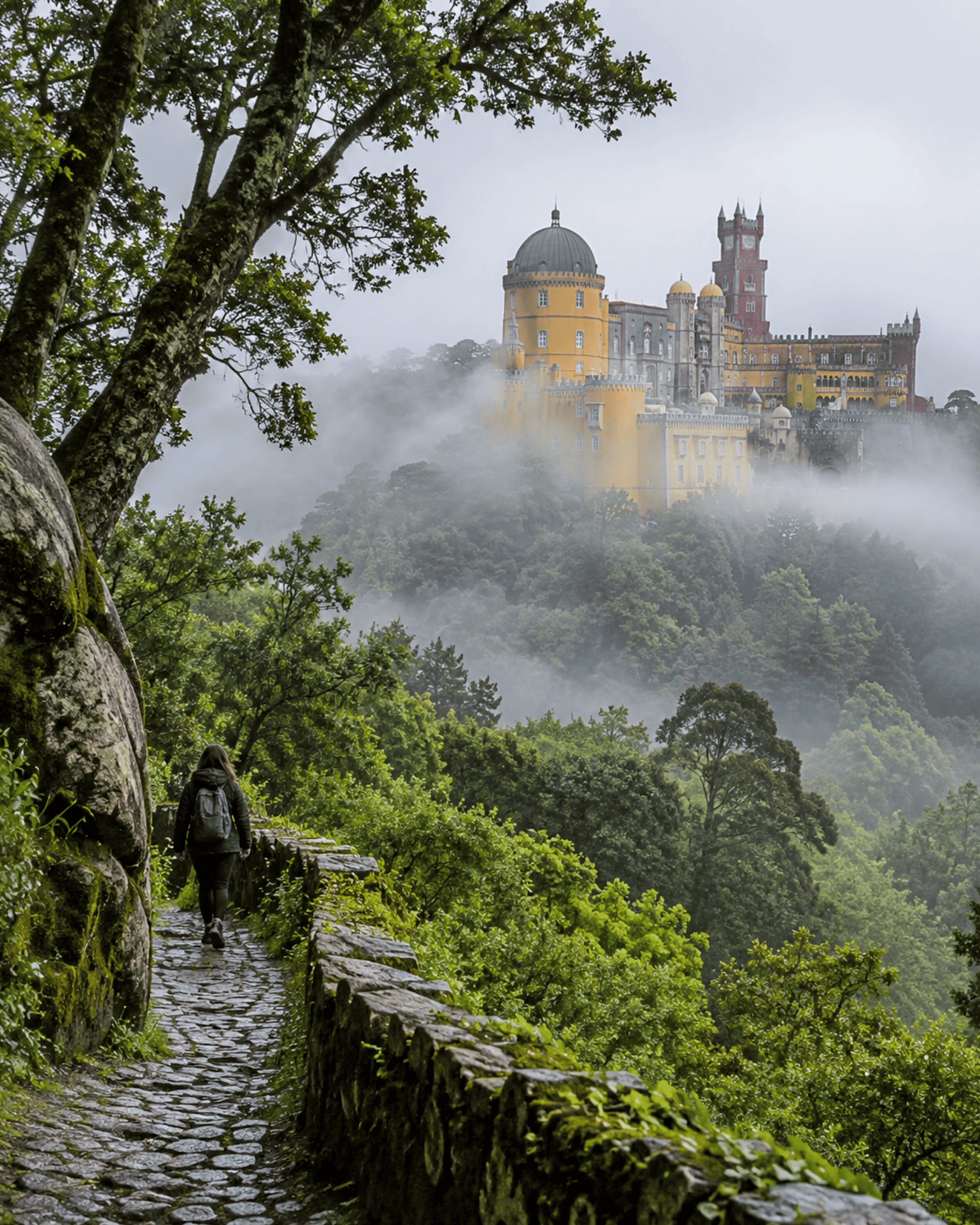
SINTRA, PORTUGAL
Best visited: March to May, or October to November
Lisbon gets all the attention and deserves most of it, but forty minutes on a train from the city center, Sintra sits in a forested hillside looking like a fever dream someone had after reading too many fairy tales in one sitting. The palaces are the color of birthday cakes. The fog rolls in from the Atlantic at unexpected hours and wraps itself around the turrets of the Pena Palace with a theatrical flair that no stage designer could improve upon. Lord Byron visited in 1809 and described it as a glorious Eden, which is not a phrase he deployed casually.The beauty of Sintra is that it rewards the slightly contrary traveler. Everyone goes to the Pena Palace, which is correct and worth it, but the people who remember Sintra most vividly are the ones who got slightly lost on one of the forest paths between the palaces, stumbled upon a tiled fountain in a clearing with no one else around, sat down on a stone wall and ate a pastel de nata from a paper bag, and felt, for approximately twenty unscheduled minutes, entirely and completely at peace. This is available to everyone and costs nothing. It requires only the willingness to put the map away.
Visit in spring when the mimosa is blooming and the hills are the kind of green that does not seem real, or in late autumn when the tourists have thinned and the light takes on a quality of golden melancholy that is either very beautiful or very sad, and is probably both.
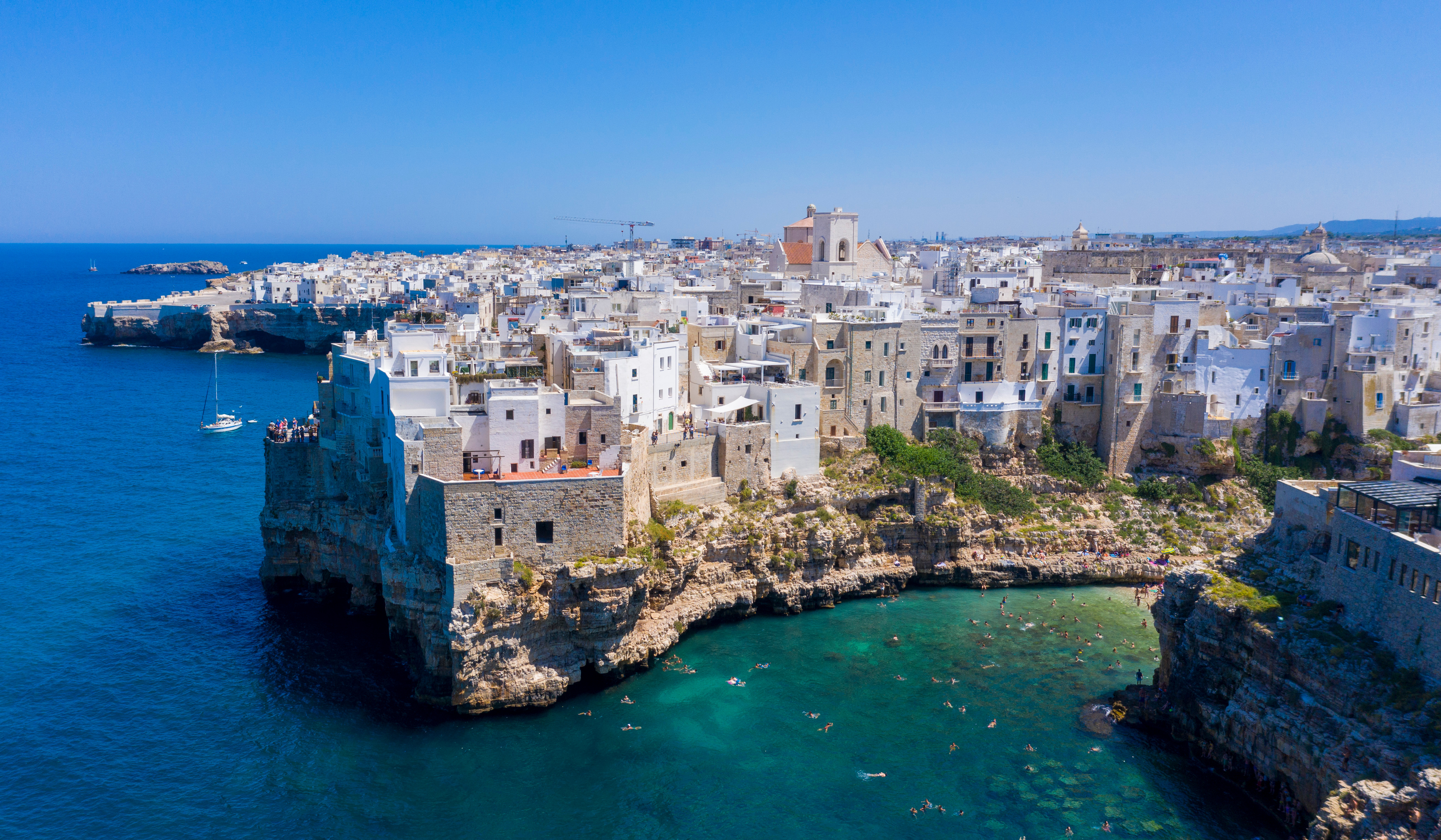
puglia region, polignano a mare, famous beach and cliff in italy | M.Studio
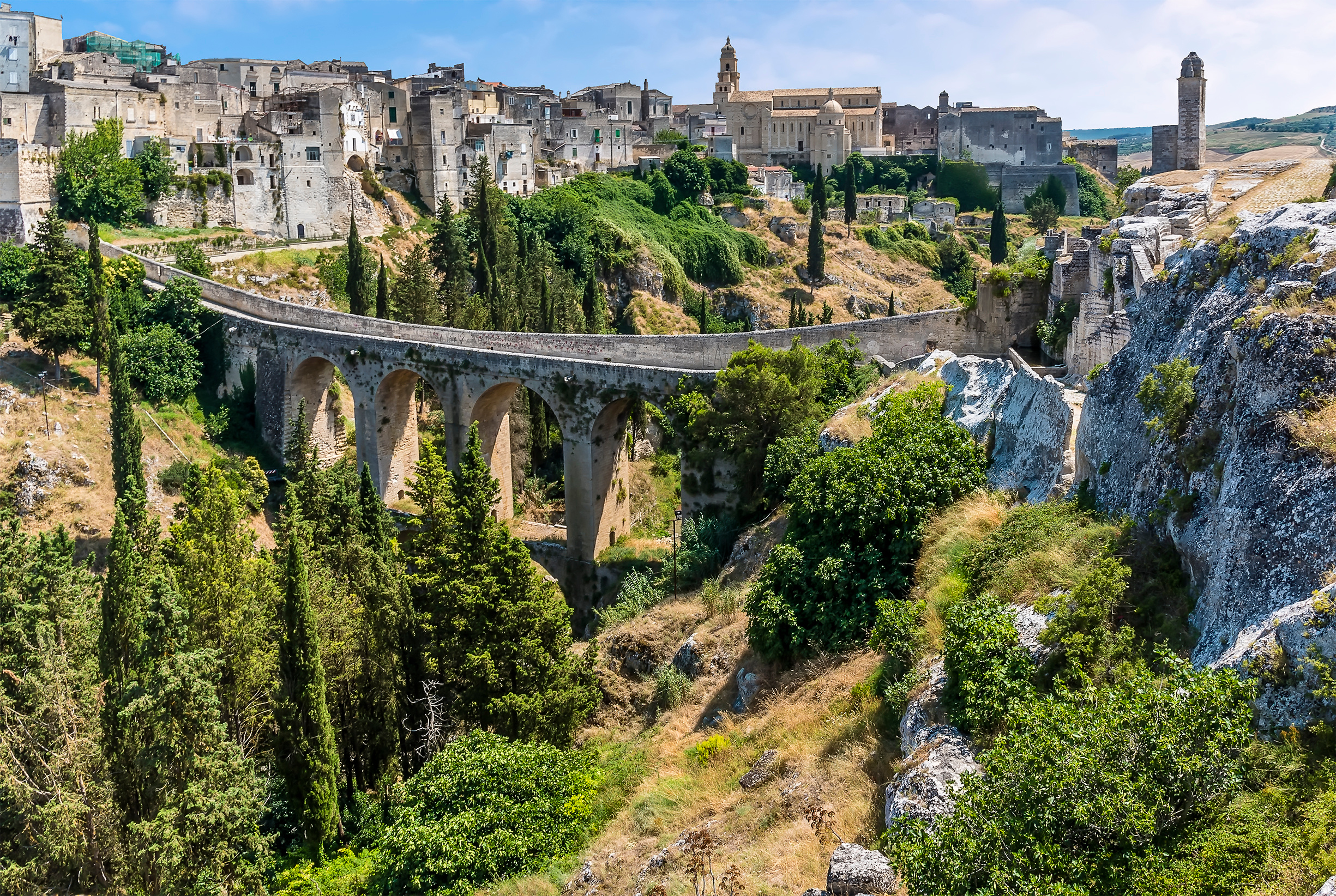
PUGLIA, ITALY
Best visited: June or September to October
The trulli of Alberobello are one of those things that you see in a photograph and assume have been slightly enhanced for effect, like a sunset filtered to a shade of orange that nature would consider excessive. They have not been enhanced. They are exactly that white, exactly that round, exactly that inexplicably charming, and the Valle d'Itria that surrounds them, a rolling limestone plateau of ancient olive groves, dry stone walls, and farm restaurants serving burrata so fresh it is practically still warm from the making, is exactly that good.
Puglia as a whole is the Italy that Italians go to on holiday, which is a recommendation with very few rivals. It is the south without the chaos, the heat without the humidity, the food without the tourist menu. The people are unhurried in the particular way of people who have lived somewhere beautiful for a very long time and have made their peace with it. The wine, particularly the Primitivo di Manduria, is deeply serious. The beaches of the Salentine Peninsula, at the very heel of the boot, are the kind of Adriatic clear-water revelation that causes people to quietly rearrange their retirement plans.
Go in June before the Italian school holidays fill the masserie with families, or in September when the harvest is coming in and every roadside stall is selling figs and almonds and tomatoes the size of a child's fist. Eat everything. Sleep in a trullo. Regret nothing.
KYOTO, JAPAN
Best visited: Early April or mid-November
Kyoto in cherry blossom season is photographed so extensively that it risks feeling, before you arrive, like a place you have already visited. It does not feel that way when you are there. The sakura lasts approximately ten days in early April, and the Japanese relationship with its brevity is one of the most genuinely moving cultural phenomena this traveler has encountered anywhere on earth. The concept of mono no aware, the bittersweet awareness of impermanence, is embodied in those ten days with a precision and a tenderness that no amount of reading about it quite prepares you for. People picnic under the trees knowing the blossoms will fall within the week. It is entirely joyful and ever so slightly heartbreaking. It is magnificent.
But here is the lesser-known truth: Kyoto in November, when the maple leaves turn and the temple gardens go from green to every shade of amber and crimson, is arguably even more beautiful, and considerably less crowded. The Tofuku-ji temple garden in mid-November contains a view so saturated with color that it seems to be operating outside the normal parameters of what the human eye expects from a garden. Go on a weekday morning. Arrive early. Stand very still and look at it for a long time without taking a photograph. You will never forget it. The photograph would not come close anyway.
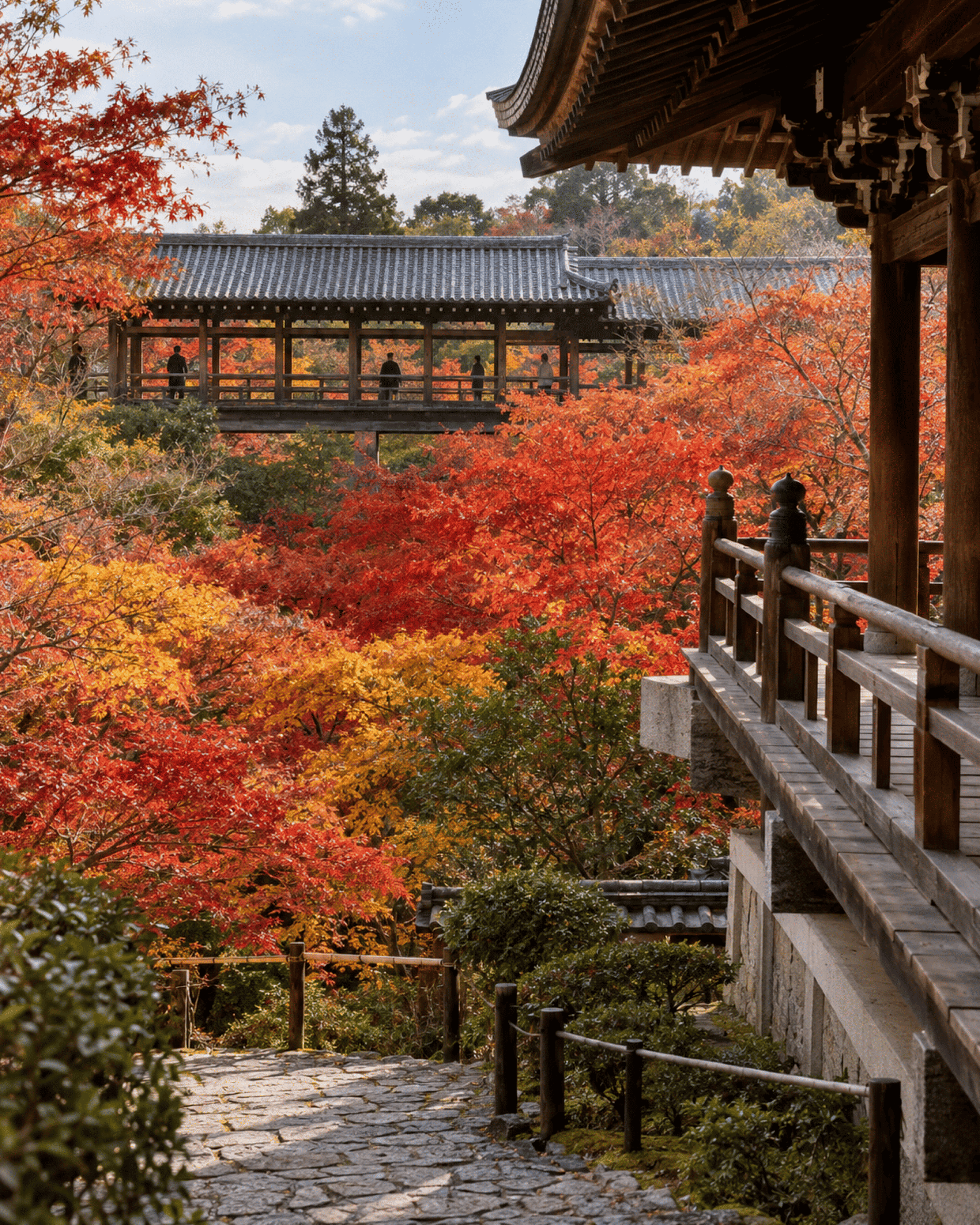
KYOTO, JAPAN
CAPE WINELANDS, SOUTH AFRICA
Best visited: February to April
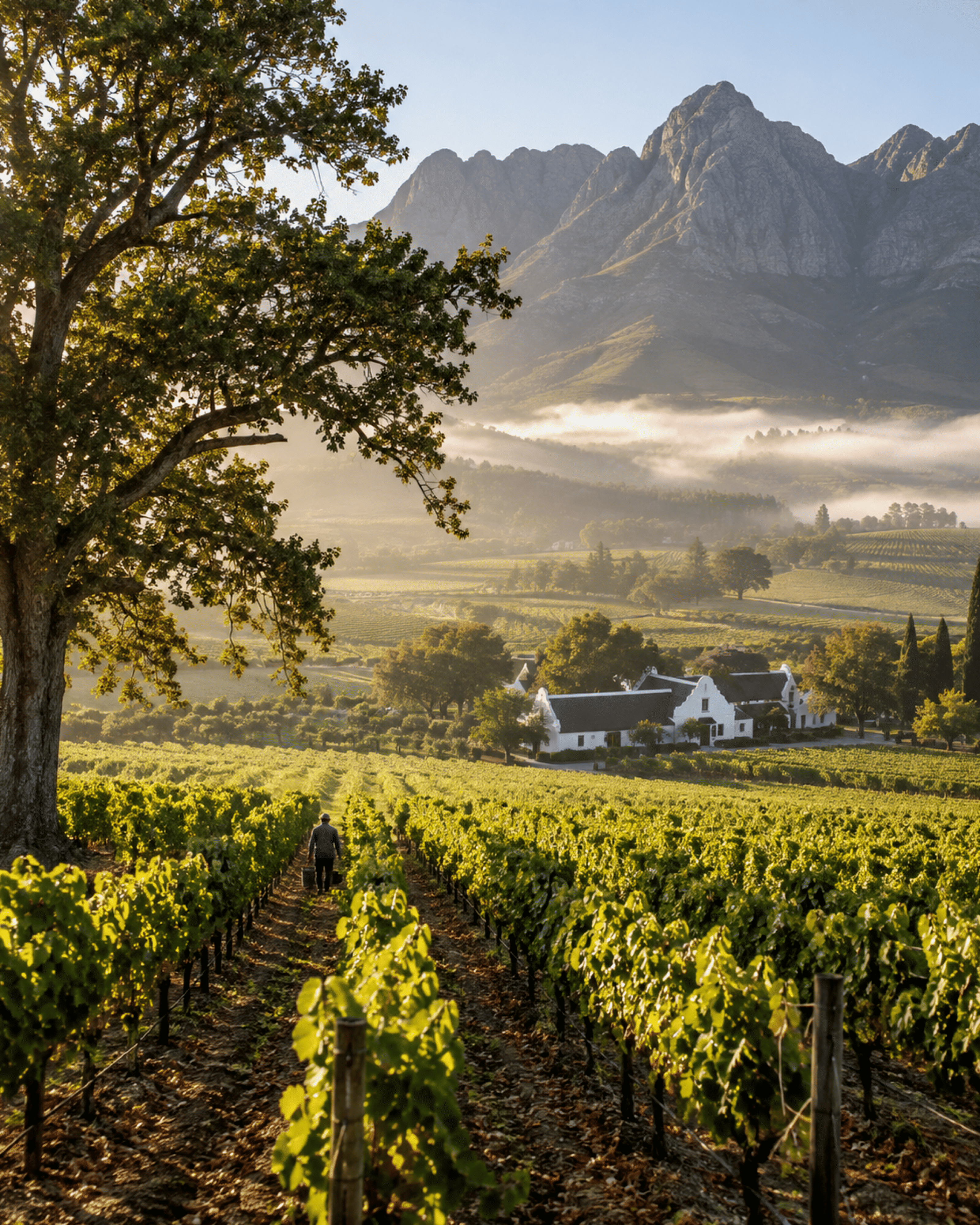
The Winelands outside Cape Town, particularly the triangle of Franschhoek, Stellenbosch, and Paarl, are doing something that very few wine regions anywhere manage: they are producing world-class wine in a setting so beautiful that even people with no interest in wine whatsoever find themselves lingering over their third glass and staring at the mountains with an expression of profound contentment.
Franschhoek in particular, a small town settled by French Huguenot refugees in the seventeenth century and named, without excessive modesty, the French Corner, has a main street of restaurants, galleries, and wine estates that punches far above the weight of its population. The food here is what happens when French culinary tradition meets South African ingredients and a produce calendar that makes European chefs slightly envious. The Chenin Blancs coming out of Stellenbosch have converted more than one dedicated red drinker. The mountains, the Franschhoek Pass in particular as the light drops in late afternoon, are the kind of scenery that makes the word scenery feel insufficient.
Come in February to April when the harvest is in, the vineyards are at their most lush, and the Cape summer is at its most generous without being fierce. Stay at one of the farm estates. Wake up early enough to see the mist lift from the valley. Drink something cold in the shade of an oak tree before lunch. Call no one. Answer nothing. Simply be there.
DUBROVNIK'S HINTERLAND, CROATIA
Best visited: May or September to October
Everyone who goes to Dubrovnik says the same thing upon arrival: it is the most beautiful city they have ever seen. Then they say it is also extremely crowded, and they wish they had come in a different season, and next time they will hire a car and drive into the Pelješac Peninsula or take a boat to the island of Vis, which is where the Croatians who actually live near Dubrovnik go when they want to escape the city that the rest of the world has now discovered
Vis, a former Yugoslav military island that was closed to foreign visitors until 1989 and has consequently developed with a restraint unusual in the Adriatic, is where this story properly lives. The town of Komiža on its western shore, a stack of terracotta rooftops above a harbor of improbable blueness, has restaurants that seat perhaps thirty people, serve whatever was caught that morning, and have waiting lists that the owners regard as slightly inconvenient. The interior of the island grows the indigenous Vugava grape in terraced vineyards above the sea. The wine is dry and mineral and tastes, in some way that is difficult to explain without sounding faintly pretentious, of the place it came from.
Go in May when the island is awake but not yet overwhelmed, or in September when the tourists have left and the Croatians who own the restaurants are finally able to eat in their own dining rooms again. Swim in the morning. Eat in the afternoon. Watch the fishing boats come in as the sun goes down. This is, it turns out, quite enough.
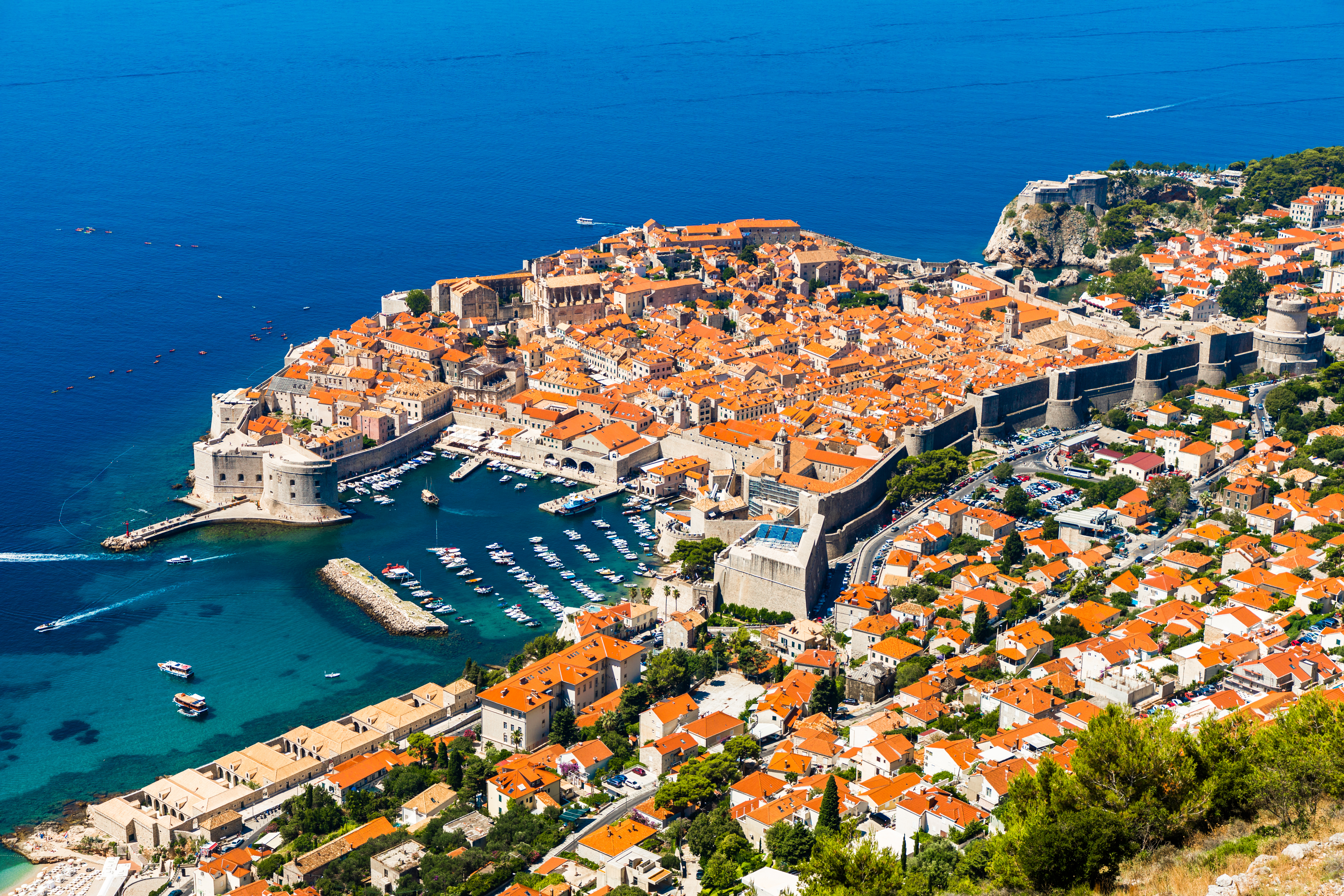
Dubrovnik, Croatia. Panoramic view of old town. VIew from above | F8 \ Suport Ukraine
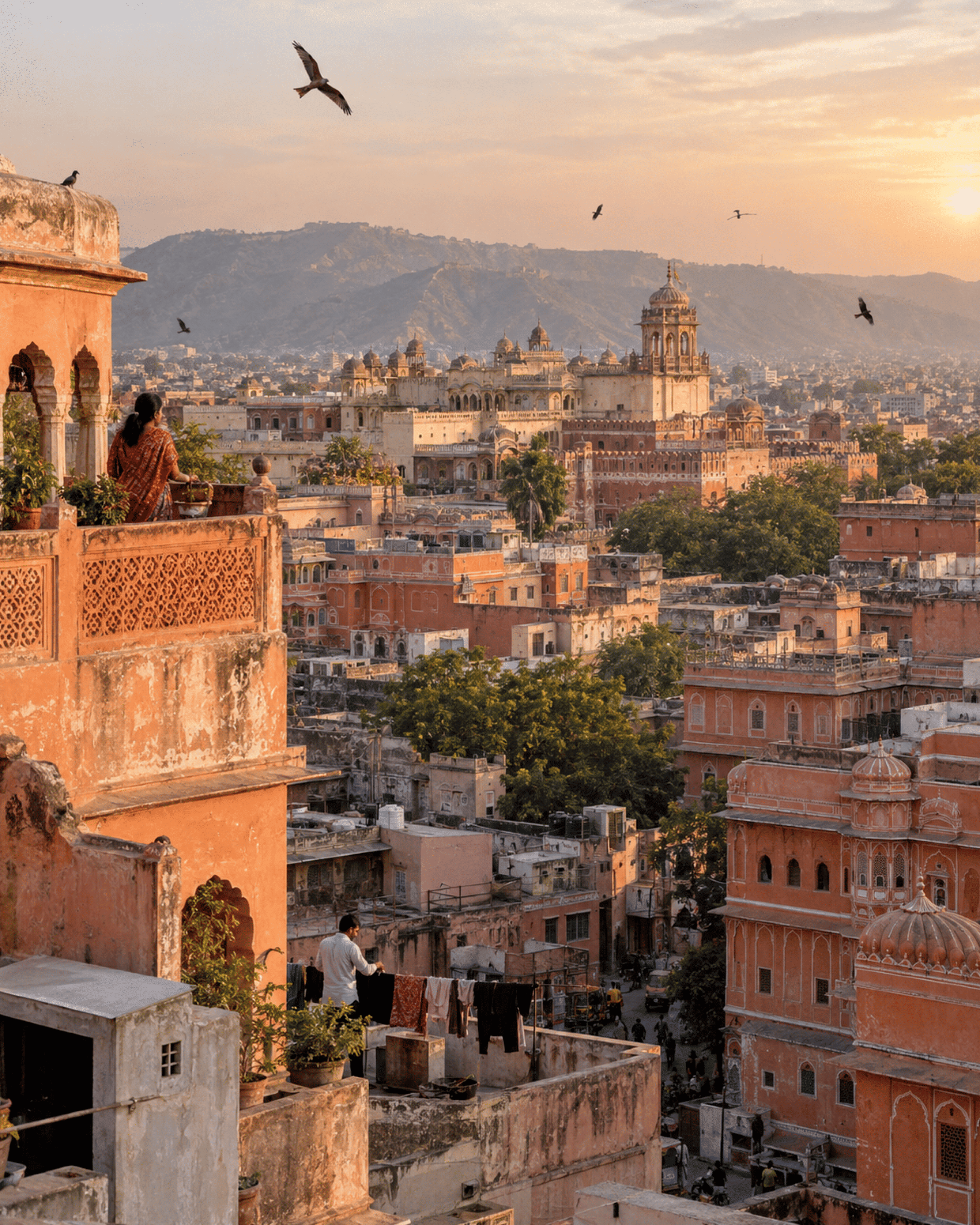
JAIPUR, INDIA
Best visited: November to February
India is a word that means approximately nine hundred different things to different people and defies any single recommendation with the cheerful intractability of a country that has been confounding generalizations for several thousand years. But Jaipur, the Pink City of Rajasthan, occupies a particular place in the imagination of travelers who have been there, not as a destination they visited but as an experience they had and have been attempting to describe accurately ever since.
The city was built in the eighteenth century by Jai Singh II, an astronomer king who laid out his capital on a precise grid based on ancient Hindu town planning principles and then painted it pink for the visit of the Prince of Wales in 1876. It has stayed pink ever since, which tells you something useful about the relationship between grand gestures and permanence. The Amber Fort, the Jantar Mantar observatory with its giant stone instruments for measuring the movement of stars, the City Palace with its layers of Mughal and Rajput architecture, these are not sights you tick off a list. They are places that rearrange your sense of what human ambition looks like when it has several centuries and sufficient resources to work with.
Come between November and February when the heat is at its most manageable and the light on the pink sandstone in the late afternoon does something so beautiful it borders on the unfair. Stay somewhere with a rooftop. Watch the kites, the bird kind, circle above the old city in the early morning and try, for once, not to plan the next thing until this one is finished.
The places on this list share something that has nothing to do with geography and everything to do with what travel is supposed to accomplish, which is not the accumulation of stamps in a passport or the completion of a list, but the expansion of the sense of what a life can contain. The supermarket car park will still be there when you get back. The groceries will keep. The light on the Grand Harbour at dawn will not wait. Neither will the cherry blossoms. Neither, when it comes to it, will you.
Adriana Forsythe-Bell is a travel writer who has been professionally lost in four continents, speaks serviceable Italian and deeply unconvincing Georgian, and believes that the correct amount of time to spend anywhere genuinely worth visiting is always slightly longer than you originally planned.

Your cart is empty