Ten Years, Mostly In Silence
A note on ten quiet years, and the work now ready to be seen.
Editorial
Travel
Guardians of the Desert
Saudi's Trailblazing Female Rangers
By Alice Morrison
Cultural revolution is probably not something you associate with Saudi Arabia, especially not one led by women.
I am an explorer on a world-first attempt to walk the length of Saudi Arabia, north to south, approximately 2,300km. Stage one took place in January and February, and stage two continues from October to December. For decades Saudi Arabia was a closed country, but in recent years it has opened its doors, and I rushed through them.
One of my strongest motivations for undertaking this expedition is to meet Saudi women and tell their stories. Everyday life for women here is rarely shared with the outside world. As a fluent Arabic speaker, and as a woman myself, I gain access to spaces and voices that remain invisible in this deeply gendered society.
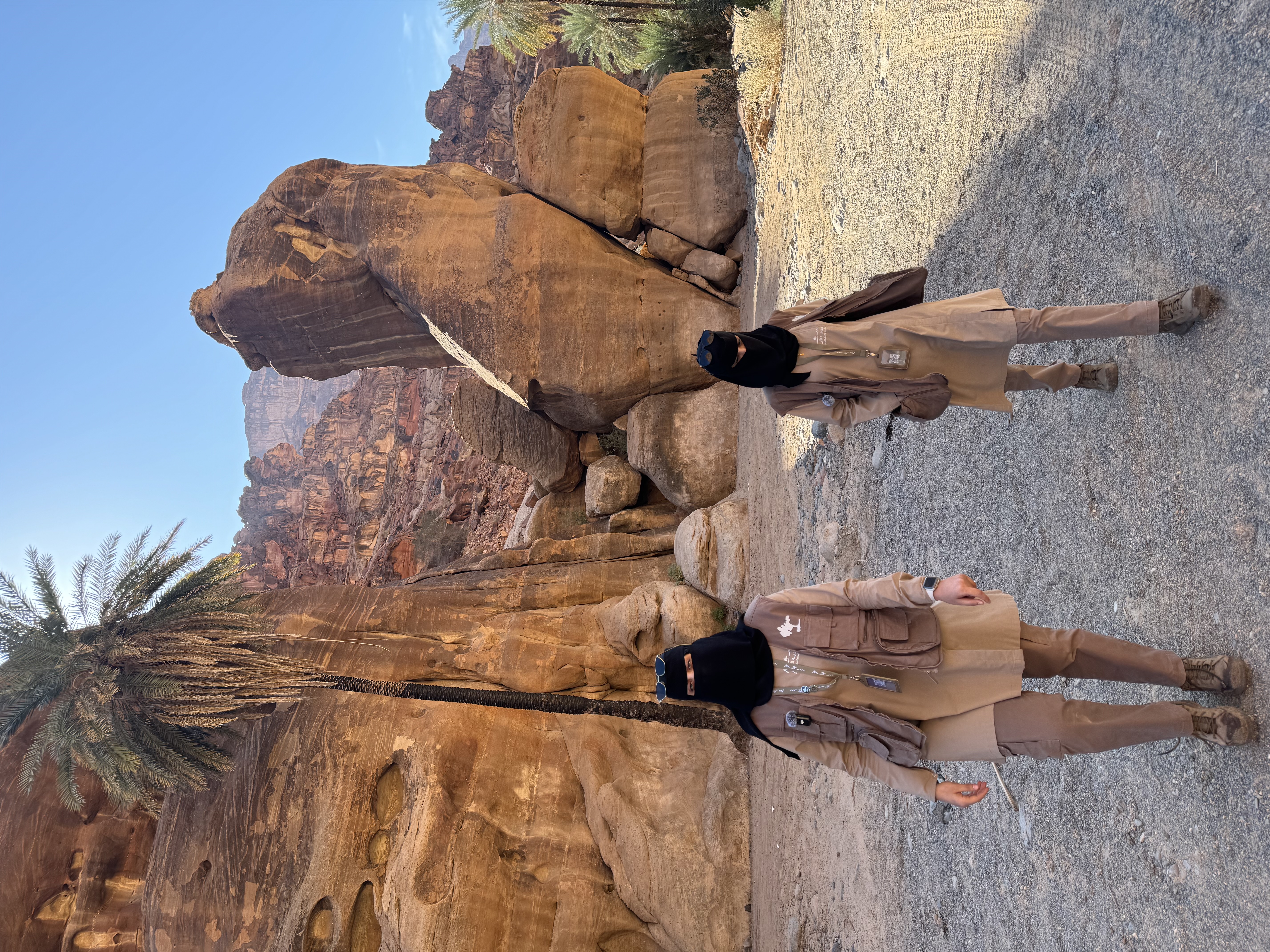
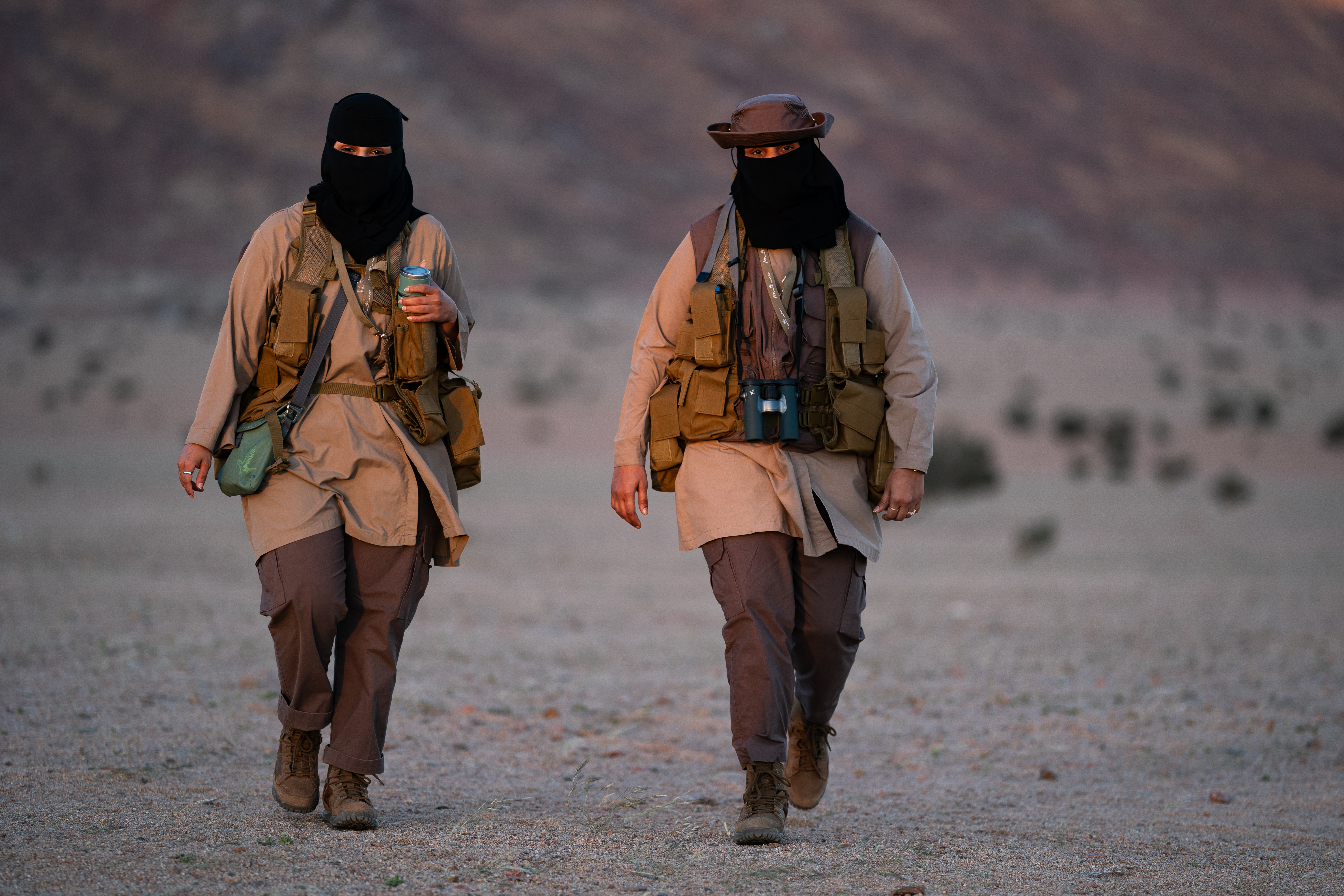
In January, I spent a day walking with the extraordinary female rangers of the Prince Mohammed bin Salman Royal Reserve. They are the first women to work as full wildlife rangers. Their work is vital in its own right, but it is also symbolic of an evolving nation. To understand how important they are, some context is needed.
Eight years ago, women could not drive in Saudi. Religious police, the Committee for the Promotion of Virtue and the Prevention of Vice, patrolled the streets and punished infractions such as missing Friday prayers or being immodestly attired, striking offenders with sticks.
Then Crown Prince Mohammed bin Salman initiated significant social reforms. In 2018, he announced that women were not required to wear the abaya (the black outer robe) or the hijab (headscarf)..
Women’s clothing—and women’s bodies—have long been controlled by men, in Saudi Arabia and beyond. Walking down the streets of London in a smart suit and short skirt, I have been shouted at: “slag!”, “mutton dressed as lamb”, “nice legs”. In the United States today, reproductive rights are being withdrawn in several states. Different cultures, same impulse.
The Quran does not explicitly require women to wear veils or outer garments, though it calls for modesty in both men and women. But clerical interpretations led most Saudi women to adopt black robes, headscarves and veils, leaving only their eyes visible.
Now, women can interpret religious teachings for themselves. Clothing is a visible symbol of wider freedoms in education and work. Women now make up nearly half of all higher-education students, and around a third are employed. Many of those roles are government-based—at airport immigration, you may be welcomed by a Saudi woman. The rangers, however, represent something entirely new.
I meet the rangers at the entrance to Wadi al Deesah. A wadi is a valley carved by water, and this one feels like a small paradise after the desert: green date palms, birdsong, running water. I am excited—not least because I have been walking for two weeks supported solely by men (except for my two female camels).
I meet Jawhara, Nawwal and Sara, all in their twenties. We exchange greetings and immediately set off at pace through the deep sands.
“The wadi is 11 kilometres,” I warn.
“No problem,” says Nawwal. “Easy. We are strong women.”
“Actually,” confesses Jawhara, “in the beginning the walking was the most difficult thing for me. But then I got used to it.”
This is one of the many cultural barriers: women in rural areas have never traditionally taken part in sport.
To become a ranger, candidates apply online, then undergo tests and interviews. Competition is now fierce. Only one person from each family is accepted, and for some women this has made them the primary breadwinner, another first.
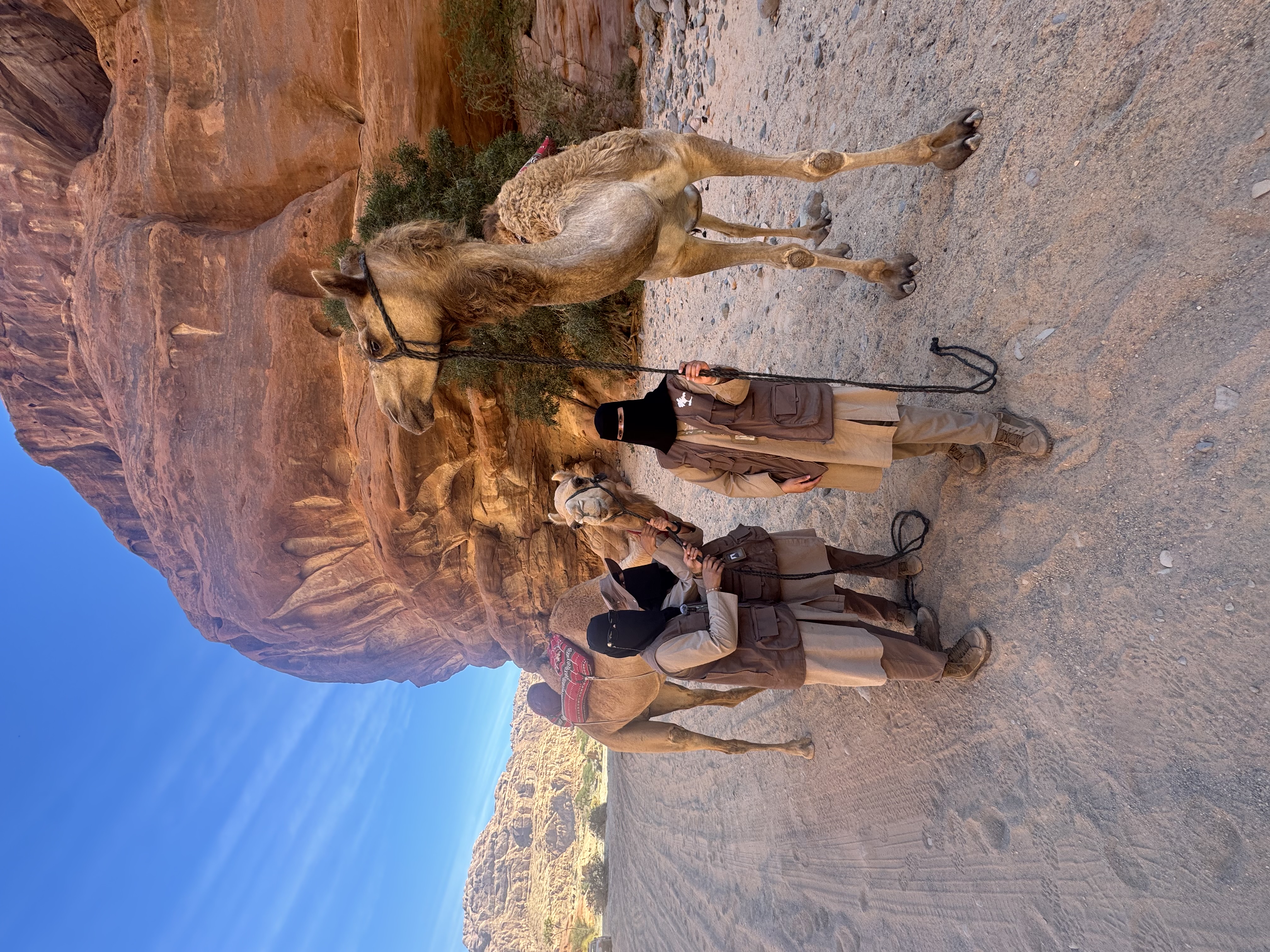
Training takes place in the nearby town of Al Wajh. They must pass exams and fitness tests, including a 5km run. Once trained, they work the same shifts as men, often in mixed teams of two women and two men, covering 24 hours in rotating eight-hour shifts, including nights.
It is difficult for outsiders to understand how protective Saudi society is toward women. My friend Brahim once explained: “Men are like the robe for a woman. They must shield her from sun or cold and make sure no harm comes to her. We must provide everything she needs, house, food, money, clothes, so she is comfortable. Her job is the home and to raise the children.”
Within that worldview, the idea of women going into remote wilderness with men who are not relatives, confronting potential poachers, is astonishing.
As we walk, we are joined by Hiba and Awatif.
“What do your families think of this?” I ask. “Was it strange at first?”
“Our families have been our biggest supporters,” they reply in unison.
“By God,” says Hiba, “my brother was the first to support me. Really! If our families didn’t support us, we would not be here today. The support of your clan is everything.”
Their job is varied: monitoring wildlife, answering visitor questions, enforcing rules. Infractions range from lighting fires to hunting.
In the beginning, people did not accept us,” Hiba admits. “This profession was for men. When someone saw us driving in the wadi, they would laugh. The wadi was laughing at us. Something strange, something different. But bit by bit, with time and progress, acceptance came.
Sport may be new to their lives, but fitness is now essential. Every month they run 5km. Night runs help avoid the punishing heat, which reaches the high 40s.
Awatif, slim and quick, often finishes first.
“Isn’t running in a niqab hard?” I ask.
“Yes,” she laughs, “but it is part of our culture. At night we can lift it to breathe deeply.”
This sums up the quiet transformation underway. These women are devout Muslims from a traditional culture they love. Their heritage sits at the centre of their identity. They are not abandoning it; they are moving through it, towards new possibilities.
“I am so proud,” says Hiba. “We are the first team of rangers in Saudi. I am part of this profession. God willing, it will keep getting better and better.”
Alice Morrison is currently walking across Saudi Arabia.
Instagram: @aliceoutthere1
Podcast: Alice in wAnderland
Website & books: alicemorrison.co.uk
Photo credits: PMBSRR (unnamed rangers) and Alice Morrison

Your cart is empty