
Guardians of the Desert
Saudi's Trailblazing Female Rangers
Editorial
Culinary Arts
A Sip of the Scillies
As good for the planet as it is for the palate
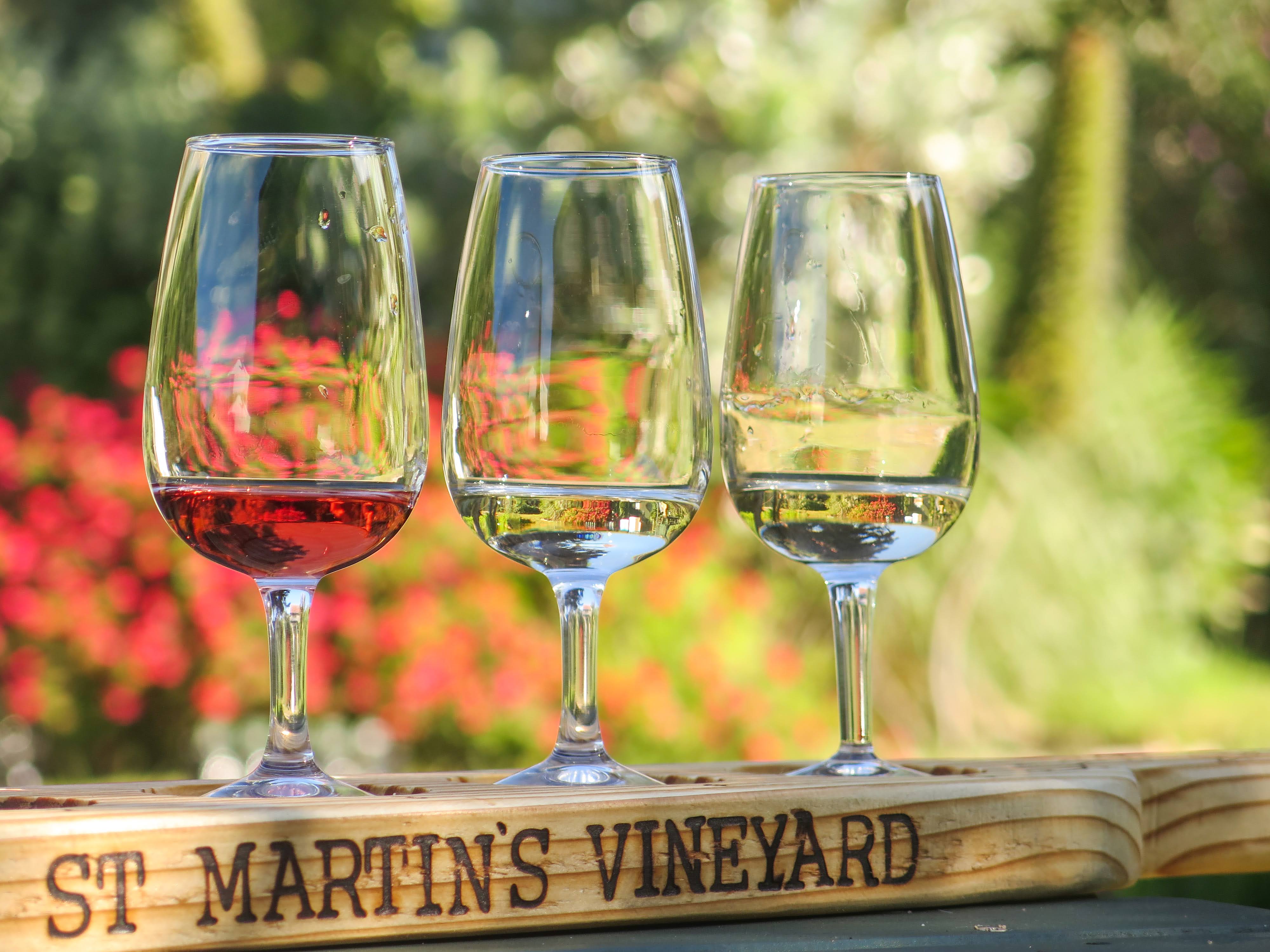
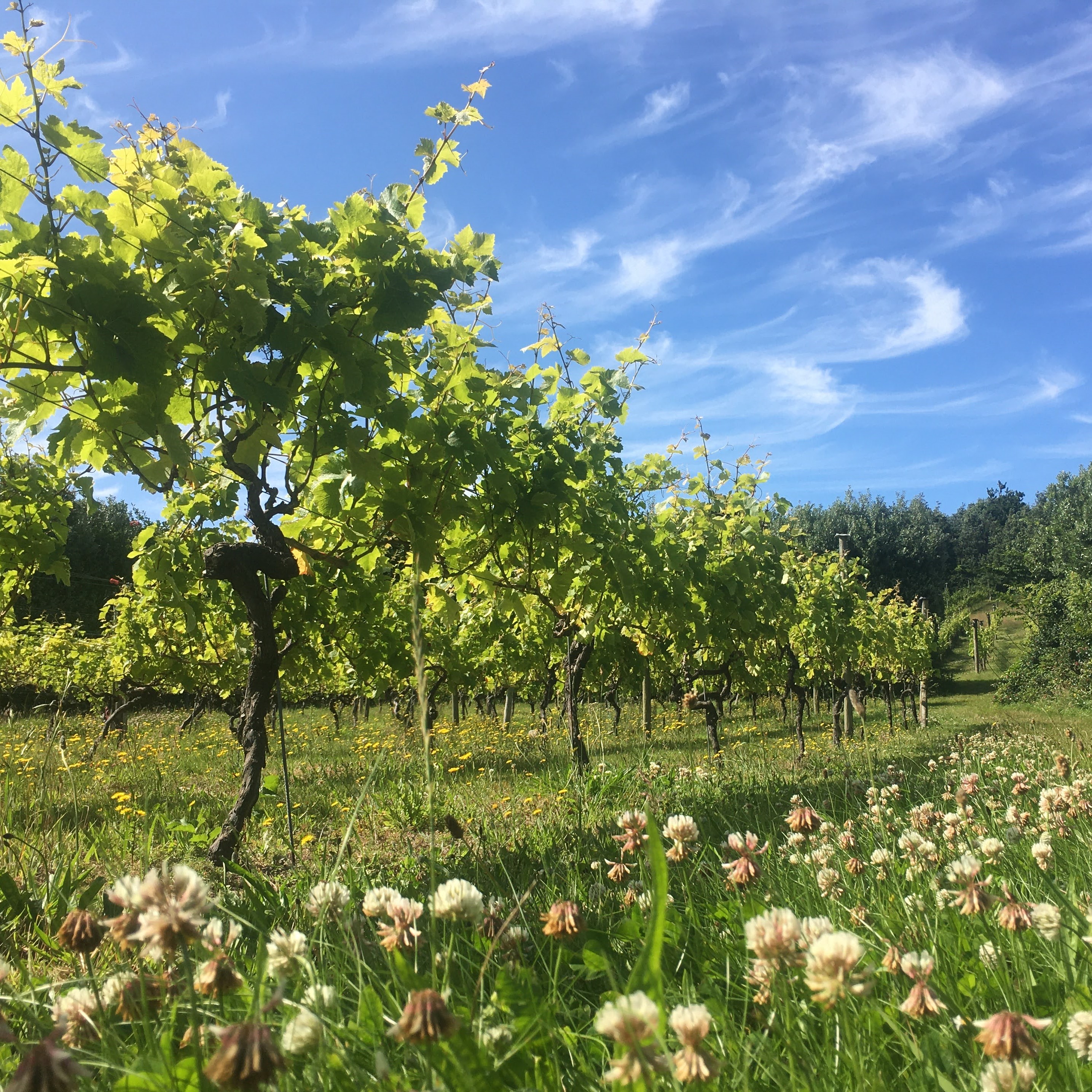
“We’re a wildflower meadow with vines,” Holly tells me with a smile, as she pours the first glass of my tasting flight. The Atlantic glitters only metres away, a salty breeze drifting around the cellar door. The Isles of Scilly are 28 miles off the Cornish coast, accessible by slow travel on the Scillonian ferry or a short flight from Land’s End. Arriving on St Martin’s is an invitation to become more attuned to the natural world with the sound of gulls replacing noisy traffic.
In an age where luxury often ignores cost to the planet, here’s a vineyard rewriting the rules. A 3-minute walk from the white sandy Par Beach, the award-winning St Martin’s Vineyard doesn’t only produce wine—it cultivates a living landscape of rare wildflowers, moths, bumble bees and butterflies. Recently, I visited and sat down with enterprising co-owner Holly Robbins, who with her partner James, has turned this modest five-acre vineyard into a celebration of regenerative agriculture. In addition to wine, they handcraft micro batches of cider, beer, apple juice and apple cider vinegar with an ethos of low impact local abundance.
Holly and James weren’t always winemakers. Prior to St Martin’s, they lived in Nottinghamshire, working in project management and ecology. On holiday in 2018, they visited the vineyard and struck up a conversation with the owners. “They asked if we knew anyone who might take it on, as they were ready to retire,” Holly recalls. “It was one of those once-in-a-lifetime things.”
As I sip the most delicious apple juice I’ve ever tasted and follow the self-guided tour through the wildflower meadow I’m not surprised they grasped the opportunity. As I wander the vines, sandy soil underfoot, blossoming fruit trees buzz with hoverflies and bees. Since moving to the island during the pandemic, they’ve transformed the vineyard into a regenerative, solar-powered micro-farm challenging what wine production can be, in the best possible way. The whole place hums with contentment, a living landscape of vitality.
The vineyard operates without fossil fuels, pesticides, or synthetic fertilisers and relies heavily on solar power; the Isles of Scilly receive the most sunlight hours in the United Kingdom. Holly estimates the site sequesters over 12 tonnes of carbon each year, verified by independent farm carbon audits. When they arrived, the vineyard still used copper and sulphur sprays, organic, but not without impact.
“We made the decision to stop it,” Holly says. “People ask if we’re organic and I say regenerative probably sums us up best.” Using locally harvested seaweed as fertiliser and battery-powered machinery. Insects, birds, fungi; all are welcome. “We’re not just tending vines,” she says, “We’re supporting an ecosystem.” And with over 130 documented plant species at the vineyard, it’s certainly biodiverse and inclusive. Clearly displayed are free sustainability guides, as a gentle invitation to visitors to take the ethos home; make your own foraged wine and apple juice and make your gardens wildlife-friendly to birds and bats. Inspired, I picture how I can employ their methods on my own wild patch of Cornish land.
Waste glass is not recycled on the Isles of Scilly; it’s transported to St Mary’s, the main hub island, where it’s smashed and used as building aggregate. Rather than contribute to the waste, Holly and James established a closed-loop bottle return scheme. “Islanders return their bottles, we sterilise them in our bottle washing machine and reuse. We can afford to be circular because we’re small.” Every label is minimal and recyclable. Packaging waste is virtually non-existent.
“We were buying pallets of bottles and it didn’t make sense,” Holly says. “Why create waste when we already have the materials right here?” This means 90% of their wine is in recycled bottles. I can’t help but think of my own recycling bin, clinking with empties. At St Martin’s Vineyard, ingenuity is born from limitations.
Water is another constraint turned innovation. In 2022, the island had no rainfall from March to August. “It was a terrifying wake-up call,” Holly says. Since then, they’ve installed 39,000 litres of rainwater storage and plan to add another 10,000. They’re also digging a wildlife pond to double as a habitat and reservoir. The vineyard’s poly tunnels use rainwater for irrigation, while household needs are met by a borehole. “Every drop is precious,” she adds. “So we treat it that way.” Her words echo as I wander the meadow, gazing out to sea.
The vineyard’s next big project is the creation of a forest garden, an edible, multi-layered agroforestry system at the top of the vineyard slope. Working with Cornwall Forest Gardens, they’re planting native Atlantic woodland species to restore biodiversity and soil health. “Regeneration is our mission,” Holly says. “Not just maintaining the land but improving it.”
The vineyard grows mostly disease-resistant hybrid grape varieties; the majority are Seyval Blanc and Orion with some Rondo, Pinot Noir, Reichensteiner, Black Hamburg, Chardonnay, Madeleine Angevine, Regent, Siegerrebe, Schönburger and Triomph d’Alsace. Holly notes they’re trialling new varieties to improve resilience to changing weather conditions without needing chemical intervention. Holly is candid about the challenges. They live in a yurt while waiting to build a house. “It’s been five years,” she laughs. And yet, she wouldn’t change a thing. “This place teaches you to listen,” she says. “To the weather, the land and the birds. You can’t rush anything.” The seasons shape the rhythm of life. From spring’s planting to autumn’s harvest, it’s all hands-on deck. “It’s not a job, it’s a lifestyle,” she says. “And I wouldn’t be anywhere else.”
In a world increasingly disillusioned with industrial agriculture, St Martin’s Vineyard offers an inspiring counter-narrative—not just about wine—but right relationship with the land. Tradition and terroir can be tools for transformation.
“We all think the little things don’t matter,” Holly says, “but they add up. Composting, glass recycling, solar power, it makes a difference.” And it does. Verified soil audits show the vineyard is not only carbon neutral but carbon negative, proof that small farms, when done right, can become part of the climate solution. It’s clear these changes are the type that accumulate. In an old-world industry steeped in heritage and prestige, this remote vineyard proves the new luxury is measured not by excess, but by its ability to restore. Maybe I can make small changes too. The vineyard lingers not only on the palate, but in the imagination.
Visiting St Martin’s Vineyard feels like stepping into a vision of the future. Not a high-tech utopia, but a return to grounded, local, ecological living. Where wine is made with rare wildflowers underfoot, where energy comes from the sun and every act, however small, is an act of regeneration. For those who would love to inhabit this leading edge luxury a bit longer, shepherd hut accommodation is available in their private meadow.
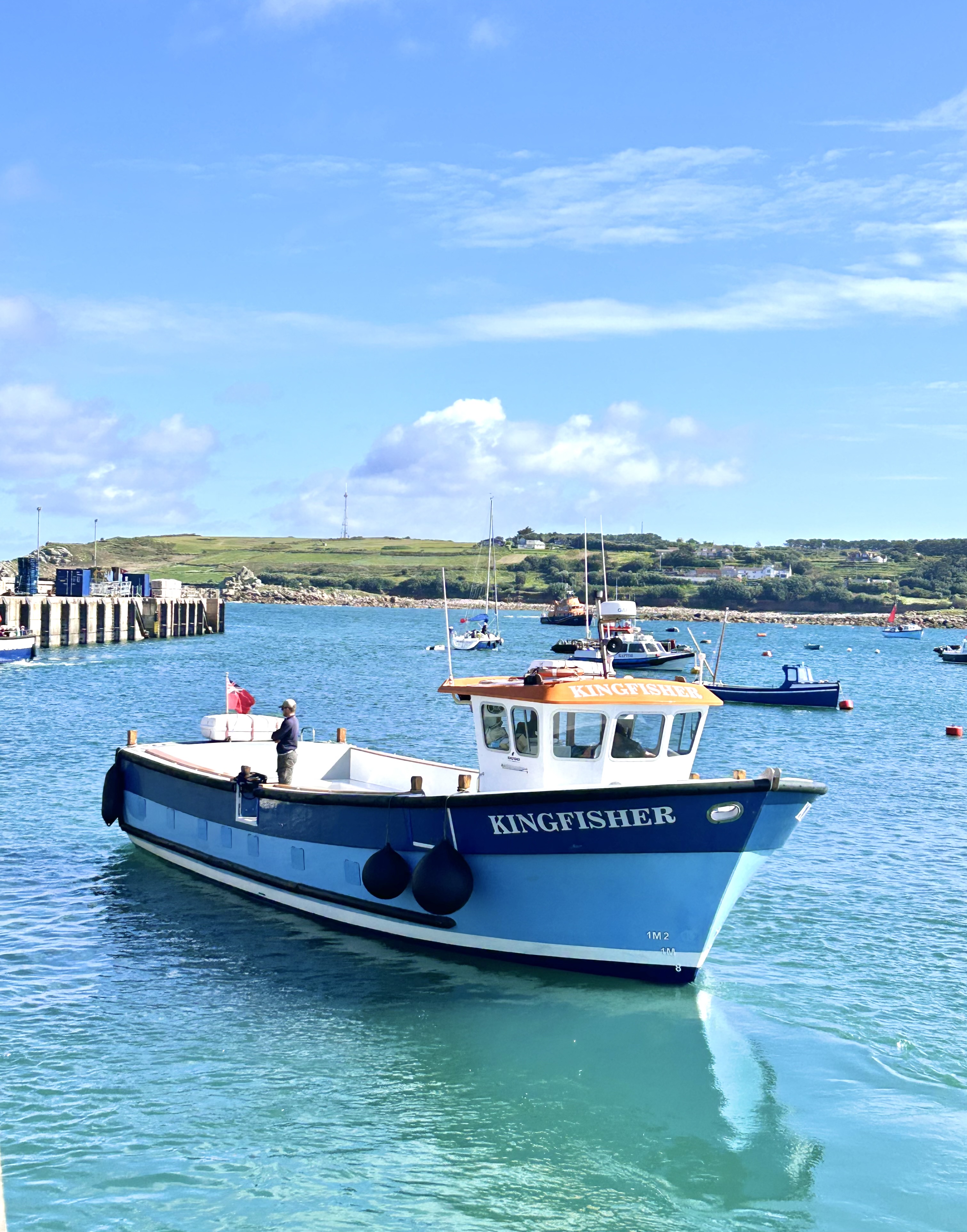
As I step onto the boat leaving St Martin’s to return to St Mary’s, I carry not only a bottle of their fine wine but Holly’s wise words: “You can make little differences and hopefully the world will catch up one day. You can’t change the world, but you can change your world.” On this little island in the Atlantic, this truth has taken root and is flourishing. St Martin’s is not clinging to the past; it is pioneering the new vanguard, where indulgence and regeneration are no longer opposites, but the same glass toasting the future.

Your cart is empty